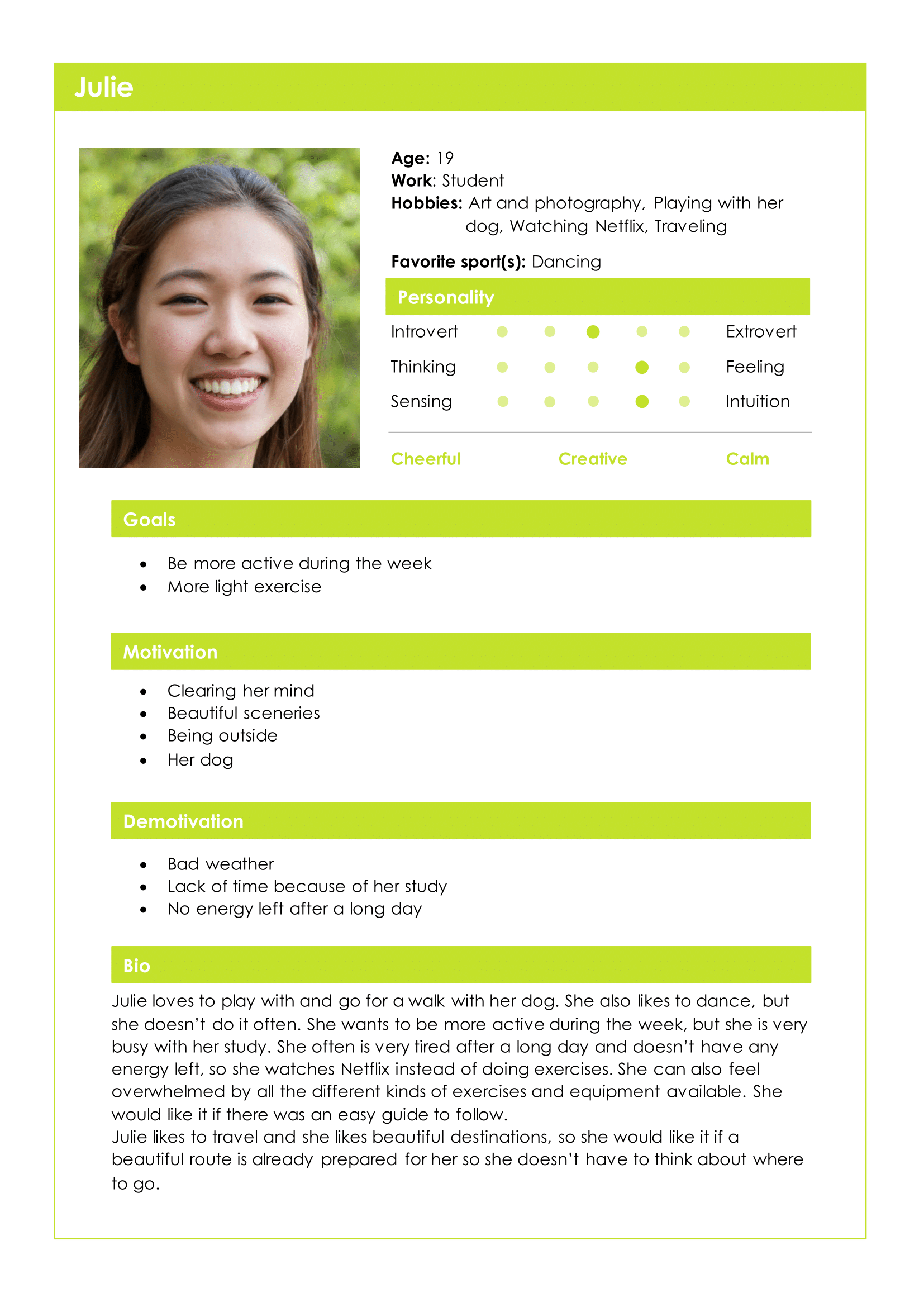
Persona created during 'User-centred design'
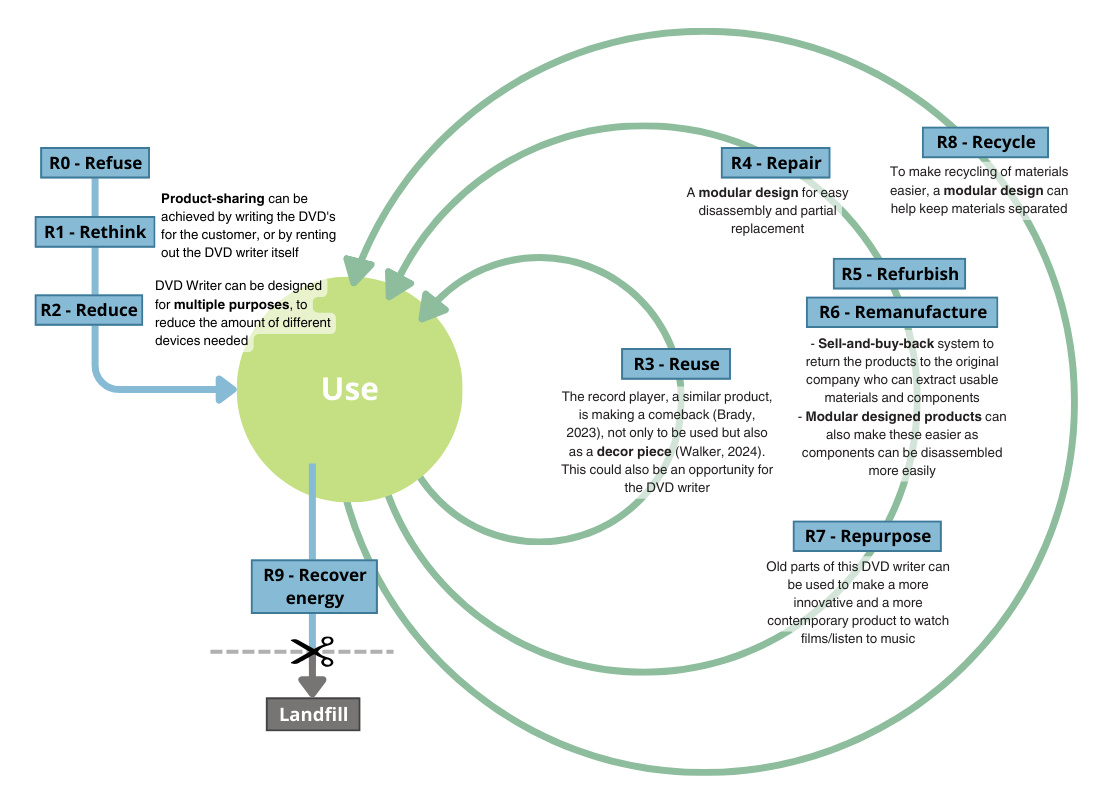
R-strategies visualization for 'Sustainability & Design'
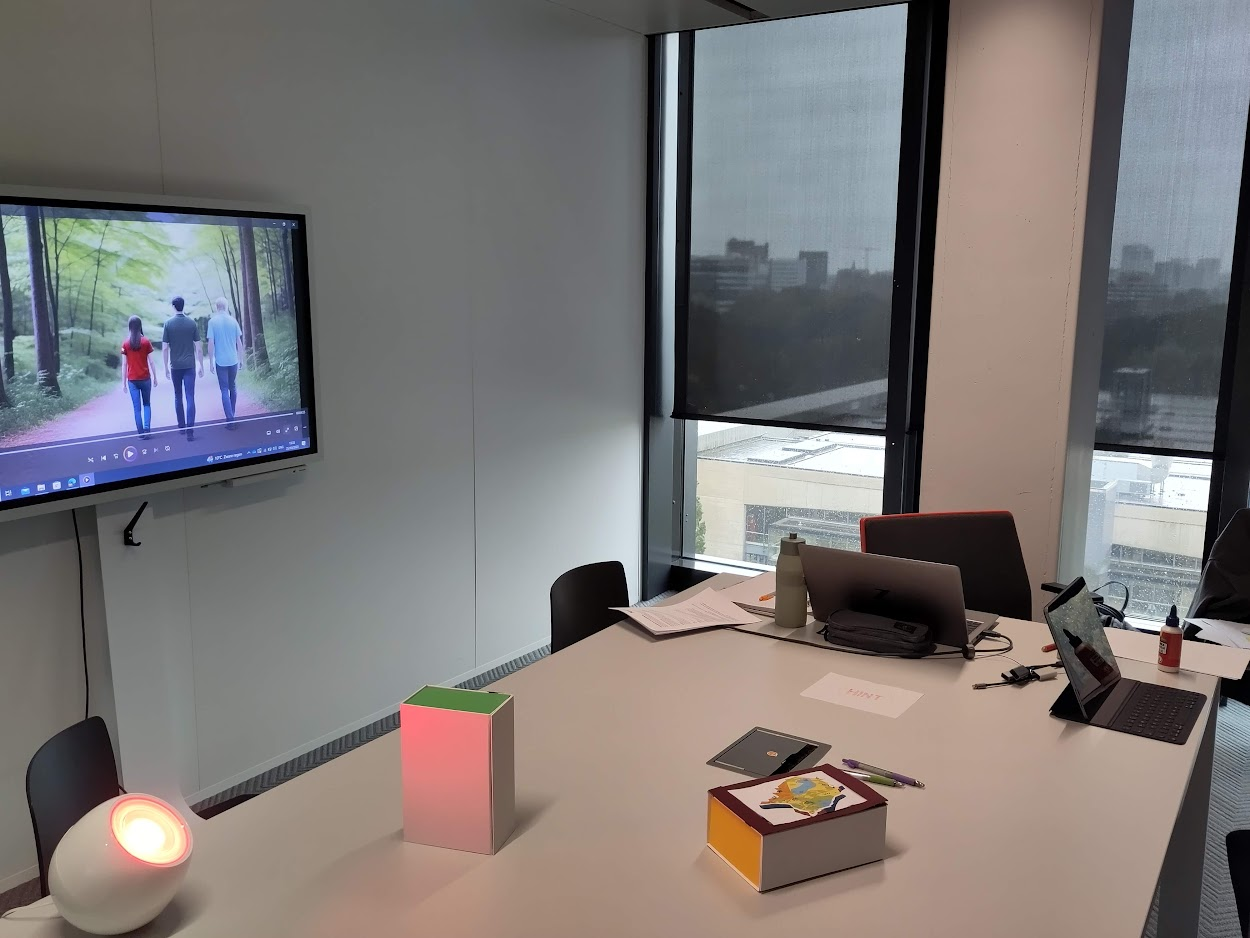
User testing for Questory with lo-fi prototypes
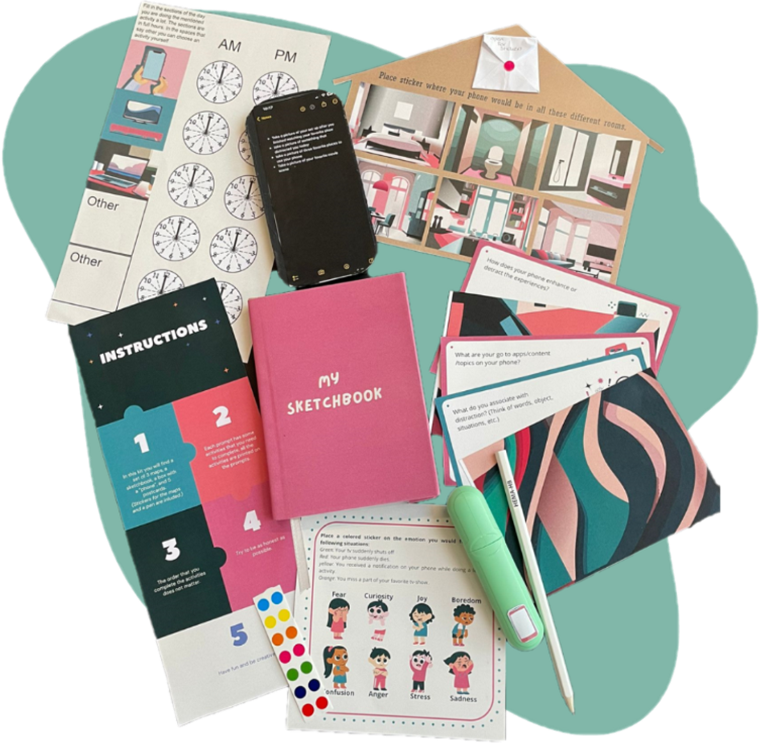
Final probe kit for 'Design <> Research'
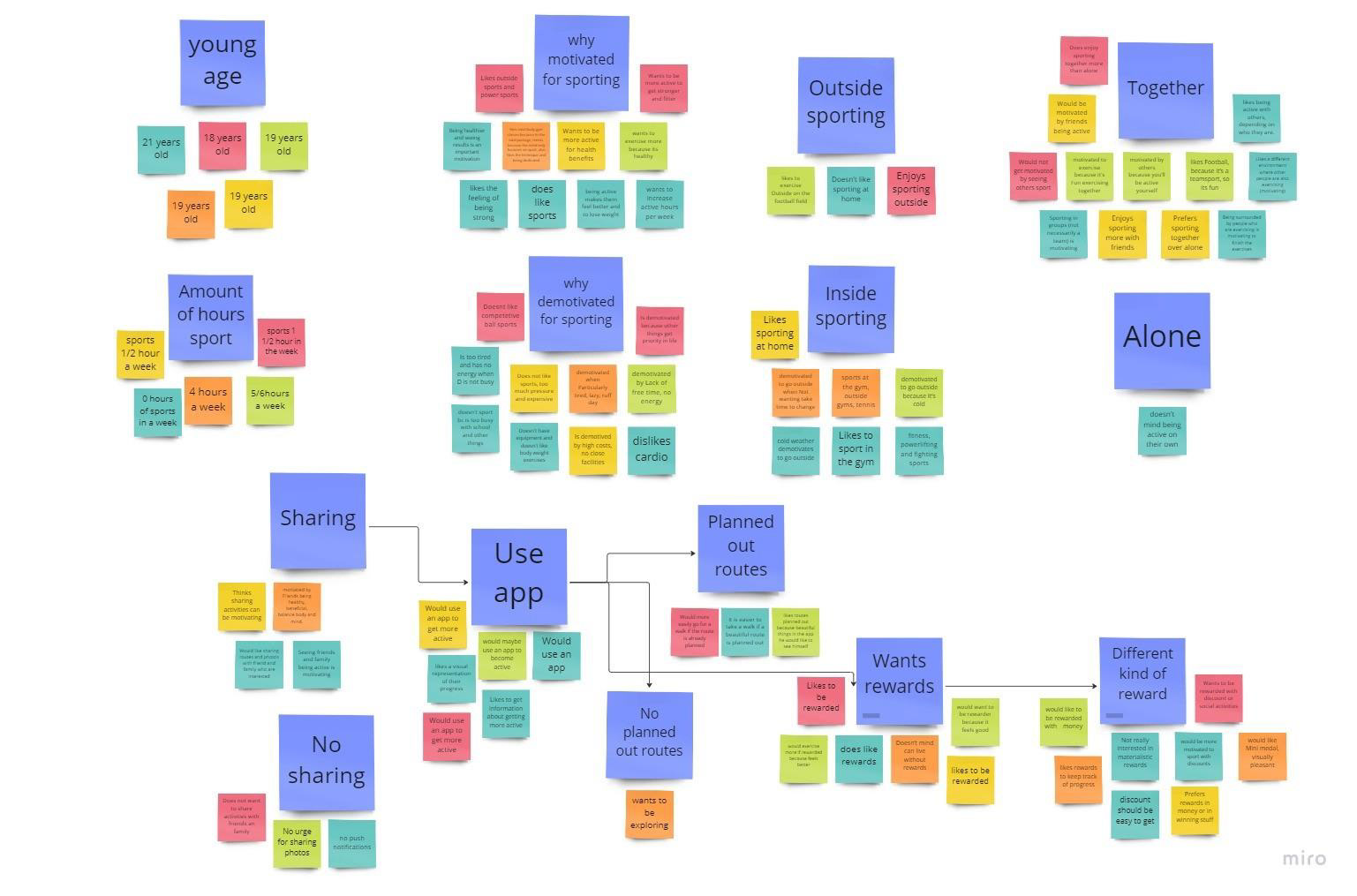
Affinity diagram to analyse user data during 'User-centred design'
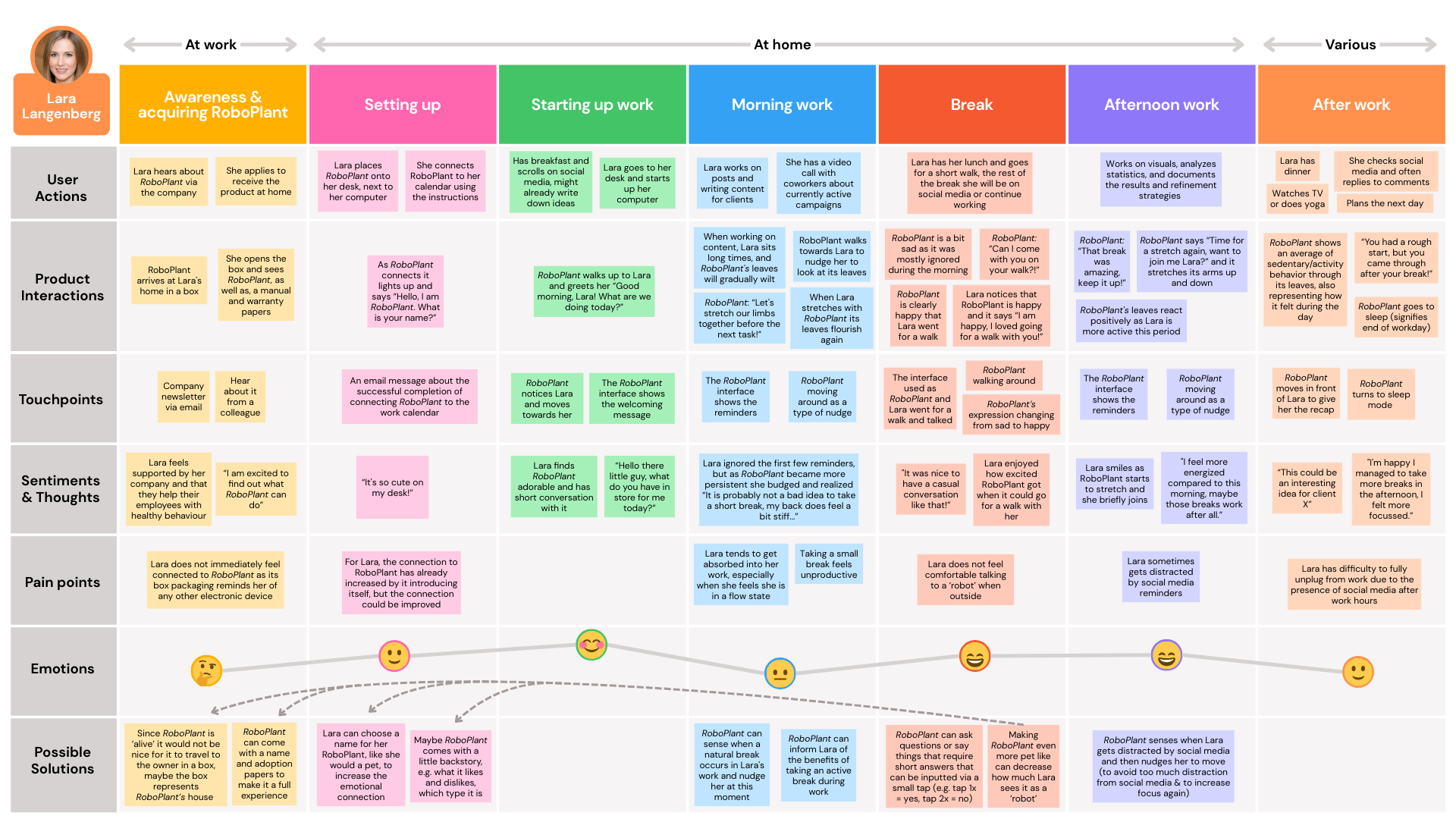
A User Journey Map from my FBP
User & Society
This is my most widely and broadly developed Expertise Area, having almost no knowledge before my studies, to having three deeply developed aspects, namely a user-centred design approach, psychological design principles, and approaches to sustainability.
The development in designing for users started with personas, user-testing with paper prototypes and storyboards, and getting insights through affinity diagrams in ‘User-centred design’. Furthermore, in Project 1 and 2, I gained experience through interviews and setting up multiple rounds of user tests to help improve concepts, connecting them to C&A. Additionally, Project 3 and ‘Design <> Research’ shed light on incorporating users for research, such as thematic analysis with research probes and longer-running studies.
During my B31 electives, I developed an understanding of the human brain and behaviour, with concepts such as gestalt principles and operant conditioning, of which the reward structures were also applied during ‘Design for games and play II’. I also developed sustainability approaches, such as systems thinking and the donut economy, and methods and perspectives regarding regeneration and circularity, such as R-ladder and value hill. In this way, U&S informs T&R and C&A on how a product can be designed and realized with sustainability and human abilities/limitations in mind.
FBP
Many of these points come forward in my FBP, such as personas and journey maps, doing thematic analysis of the user tests, incorporating modularity as a result of the R-ladder, and psychological insights like cognitive load. Uppet builds on this by exploring and researching further into behaviour change and how design influences humans. All in all, this is the most important Expertise Area in Uppet with many considerations taken for U&S, such as personification to establish an emotional connection through appearance and tone of reminders, which connects to C&A as well as T&R. All these choices were based on previous knowledge, research, and user and expert insights.
____________________
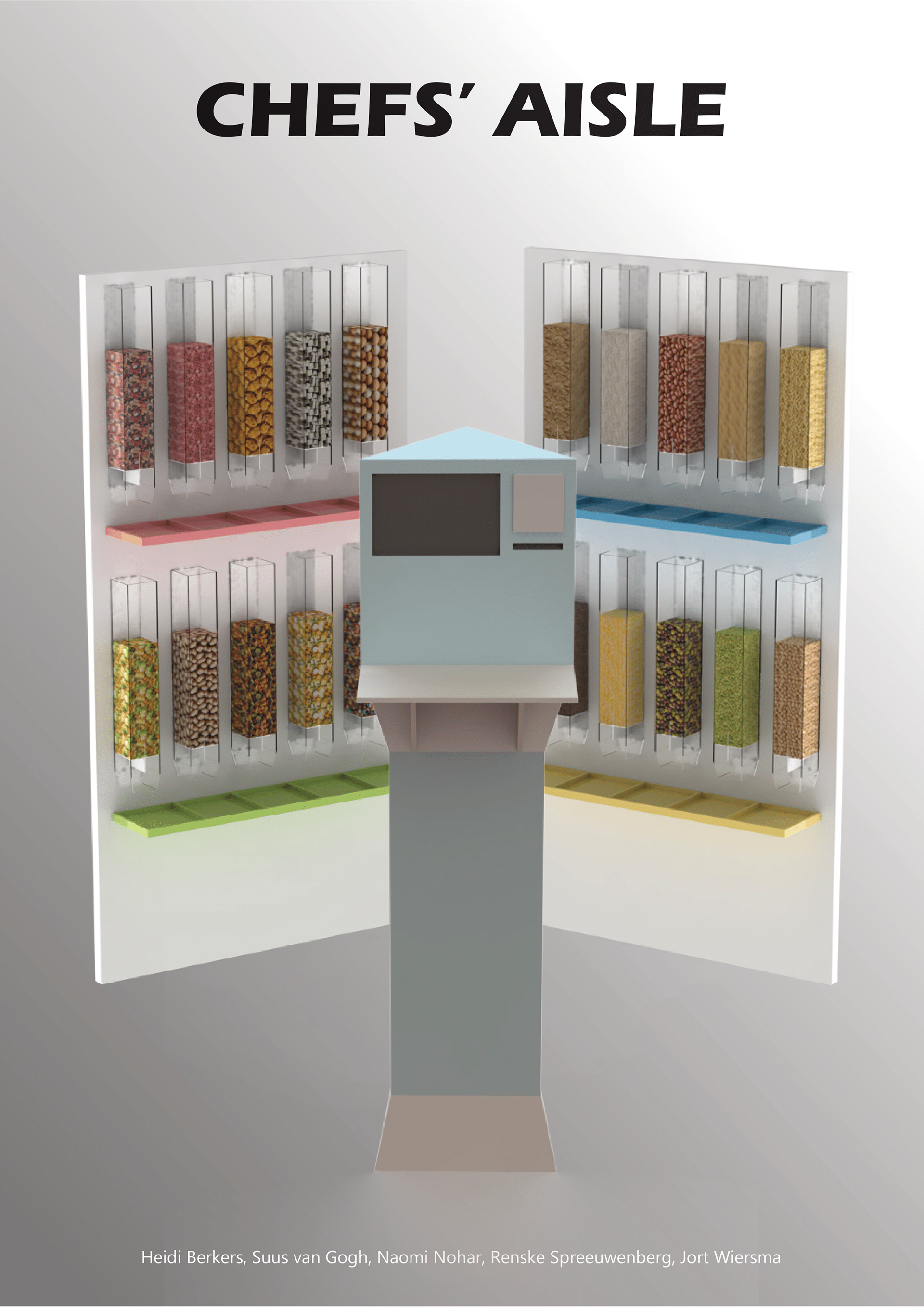
Poster with 3D model made by me for Project 1
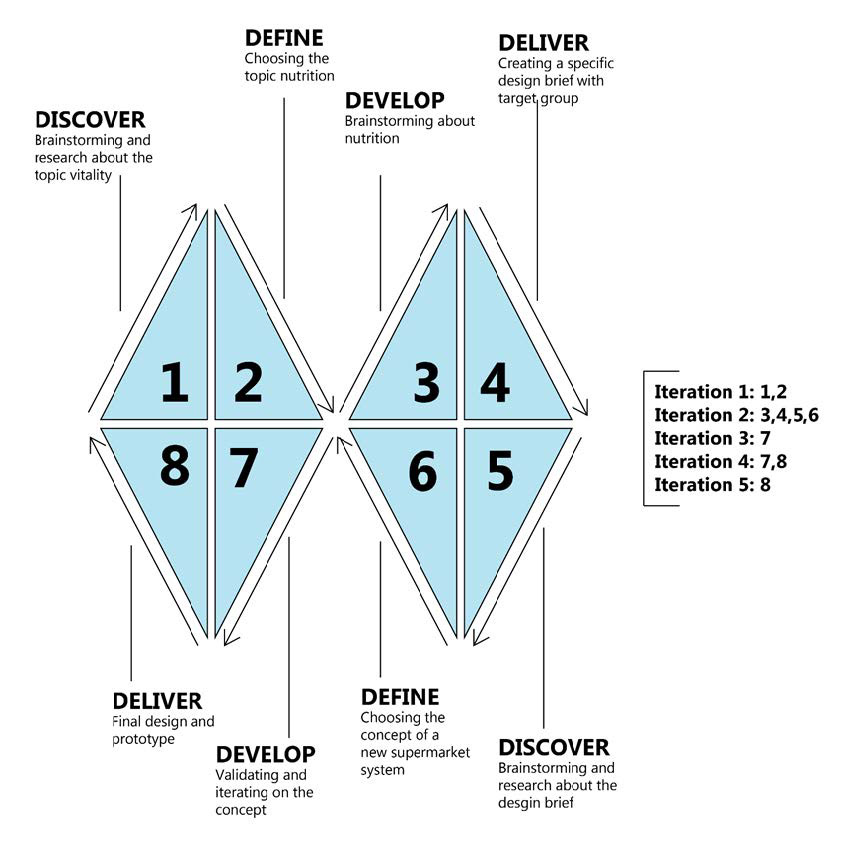
Double Diamond process visualization for Project 1
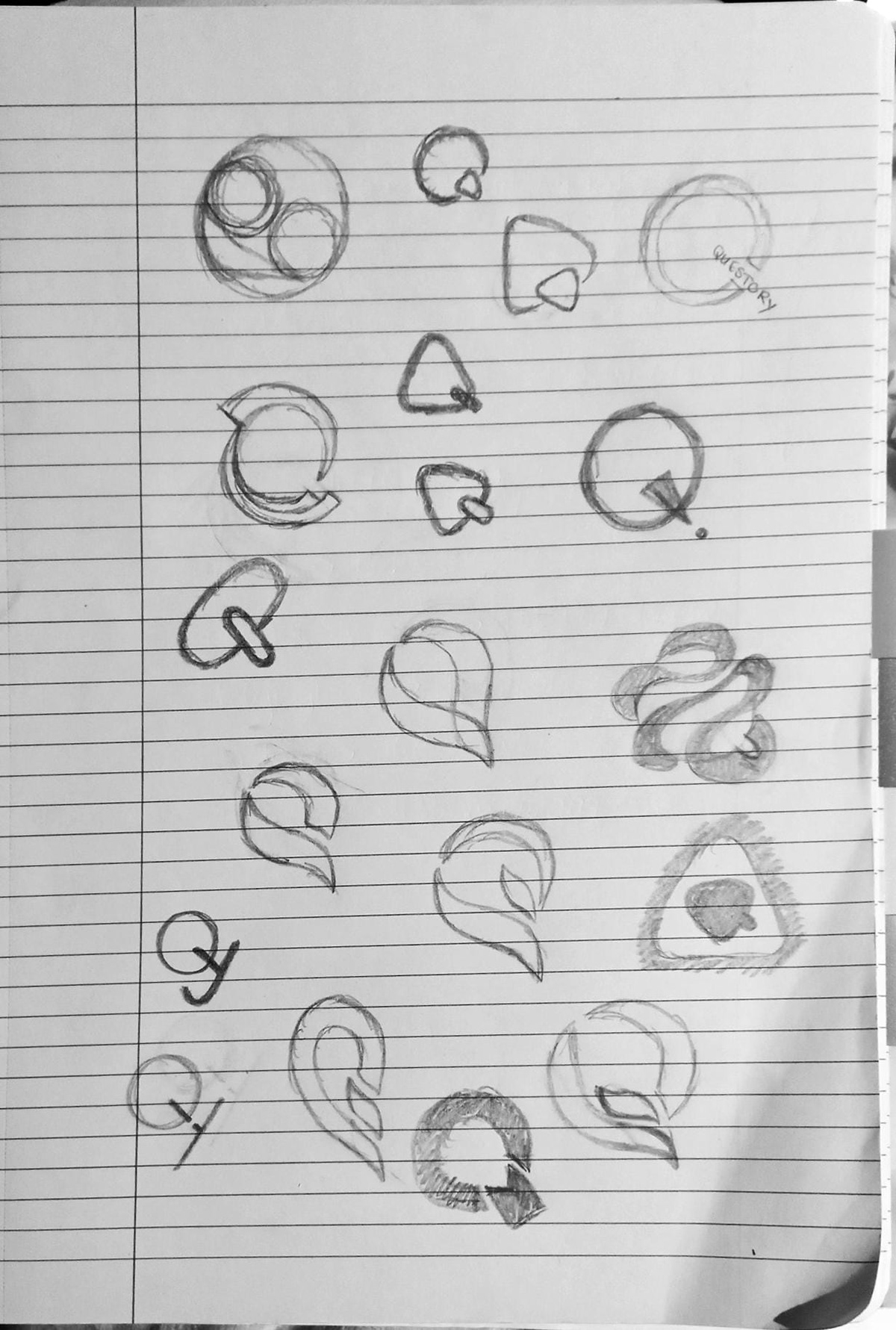
Logo ideas for Questory (Project 2)
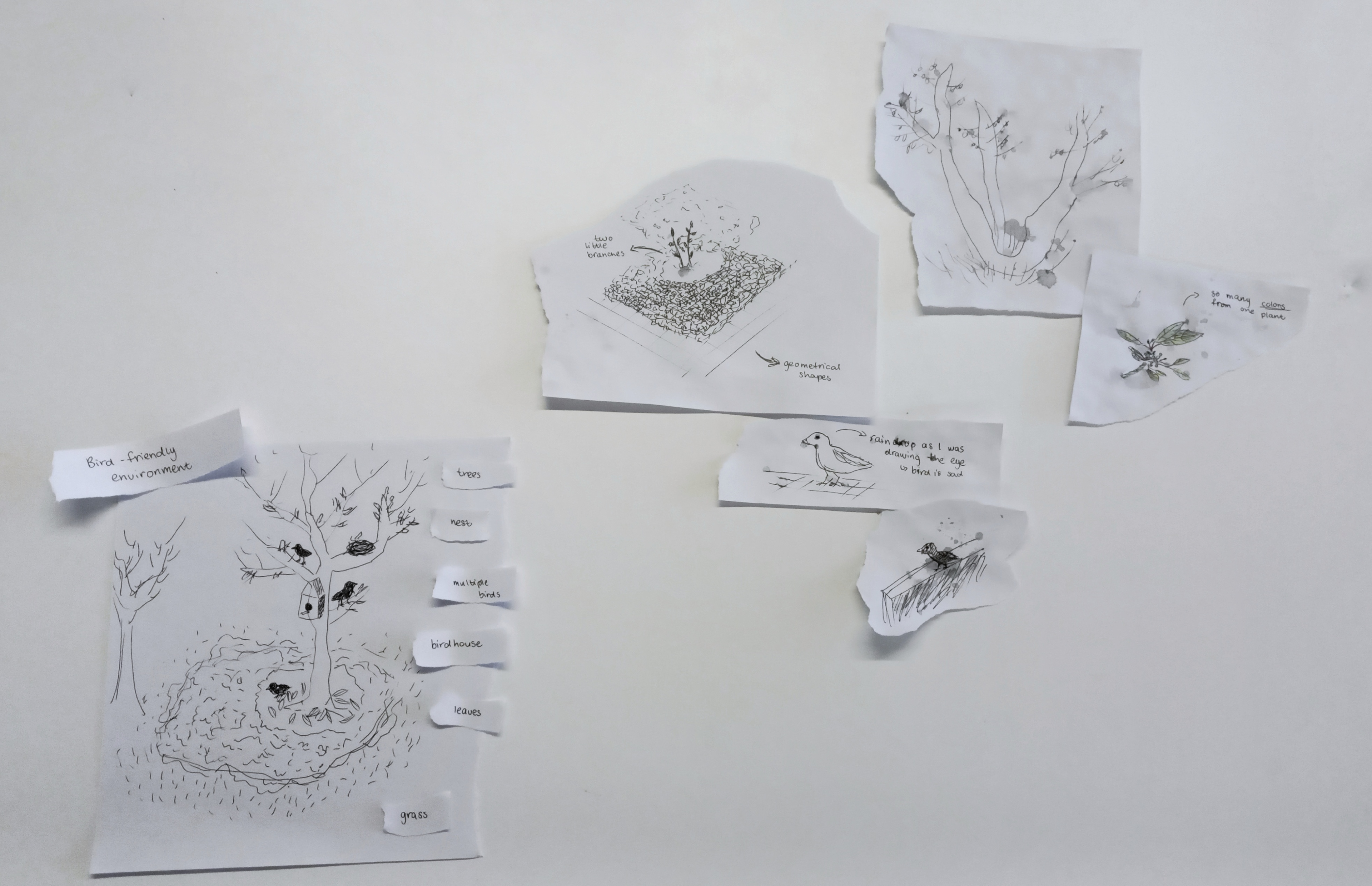
Observational sketches (right cluster) and imaginative sketches (left) from 'Sustainability & Desing'
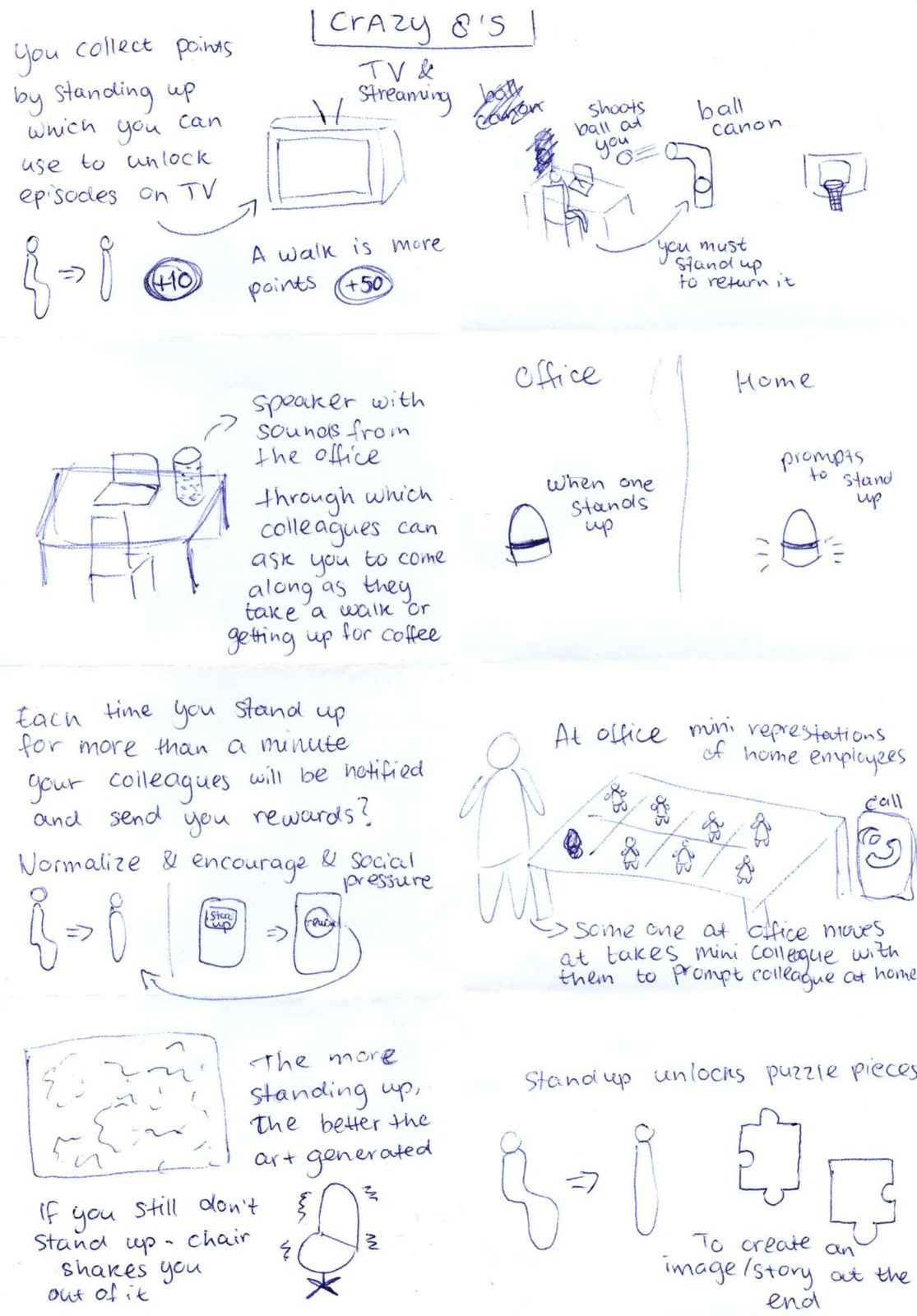
Crazy 8s ideation from FBP
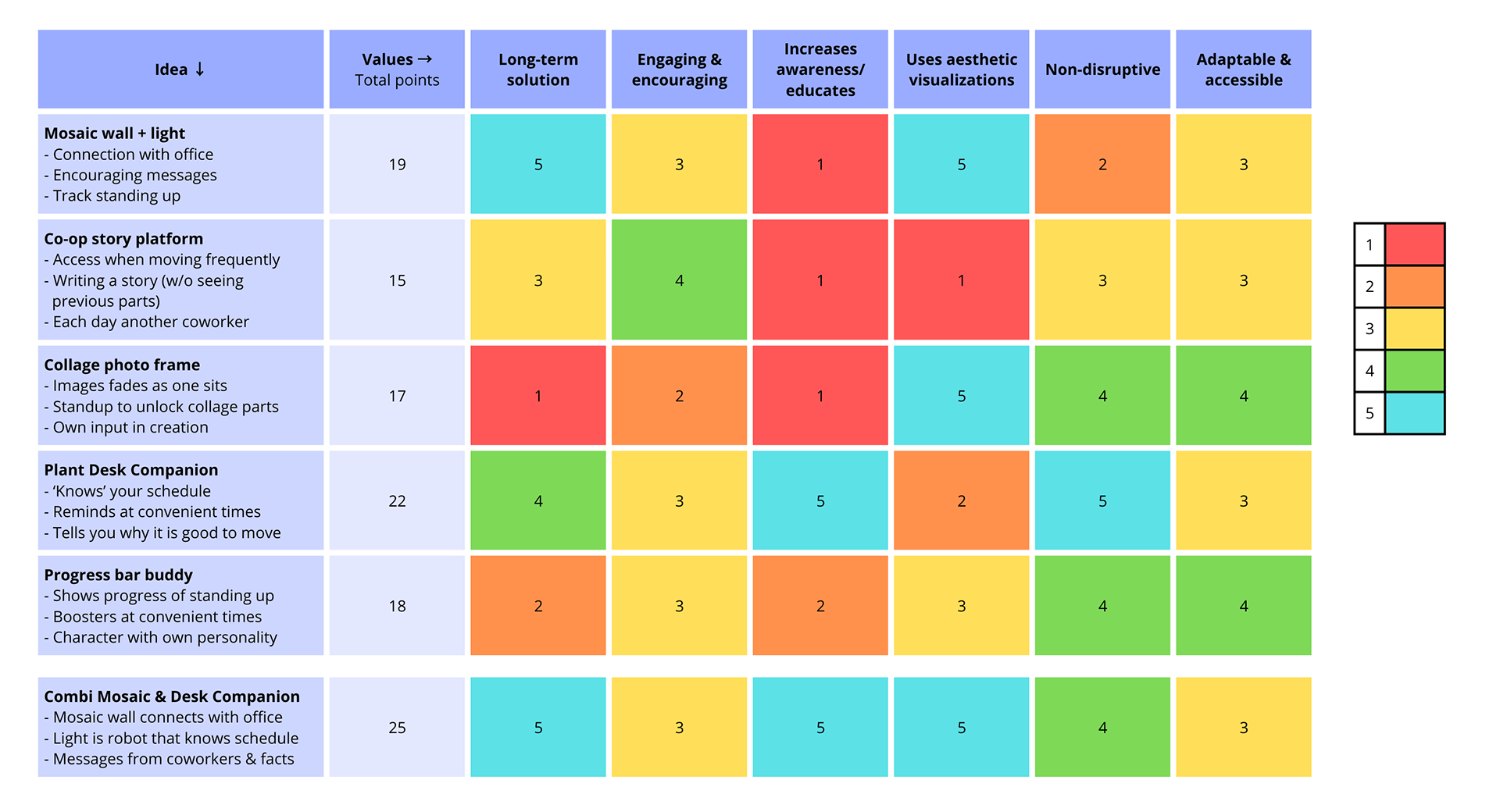
Trade-off matrix of ideas from my FBP
Creativity & Aesthetics
Although I already had a strong intuition for aesthetics (mainly visual), the bachelor helped extend my toolbox of creativity techniques and knowledge. The basis was formed during ‘From Idea to Design’, where I was first introduced to design processes, such as the double diamond and Reflective Transformative Design Process, and ideation techniques like brainwriting. These methods and processes were used in many projects later on to generate ideas. Creating a trade-off matrix helped narrow down ideas based on project values.
My ability to visualize ideas at higher fidelity improved and was useful in communication with others, such as learning 3D modelling and illustrating with Adobe Illustrator. This also led to better visual storytelling, such as creating posters, logos, videos, and mockups with Photoshop, Illustrator, and Premiere Pro. This was mostly visible in Project 2 were these aspects were my main responsibility.
Furthermore, aesthetics go beyond the visual, and for this, I learned new techniques in ‘Aesthetics of Interaction’ like extreme characters, interaction relabeling, and material exploration for sound. Additionally, creating the pictorial highlighted my development in strong visual communication of concepts and processes.
Another valuable experience was the individual project in ‘Intelligent Interactive Products’ were the approach was reversed. Rather than fitting the electronics into a form designed beforehand, here the electronics informed the aesthetic realization of PosturePendant, connecting T&R to C&A.
Through ‘Sustainability & Design’, I learned that starting with observational sketches helps me to create imaginative sketches and ideas. Next to that, I learned that various circularity strategies can also inform design decisions, such as modularity through the R-ladder, connecting it with U&S.
FBP
My FBP process was inspired by the double diamond, but I combined it with a design thinking process. It used creativity techniques that could be individually applied, like crazy 8s and user journey maps, which gave ideas to alleviate pain points (U&S). Visual material and 3D models were created for realization (T&R) and communication. Additionally, circularity tools were applied to generate ideas to realize a sustainable product, showing how U&S methods inform C&A and T&R.
____________________
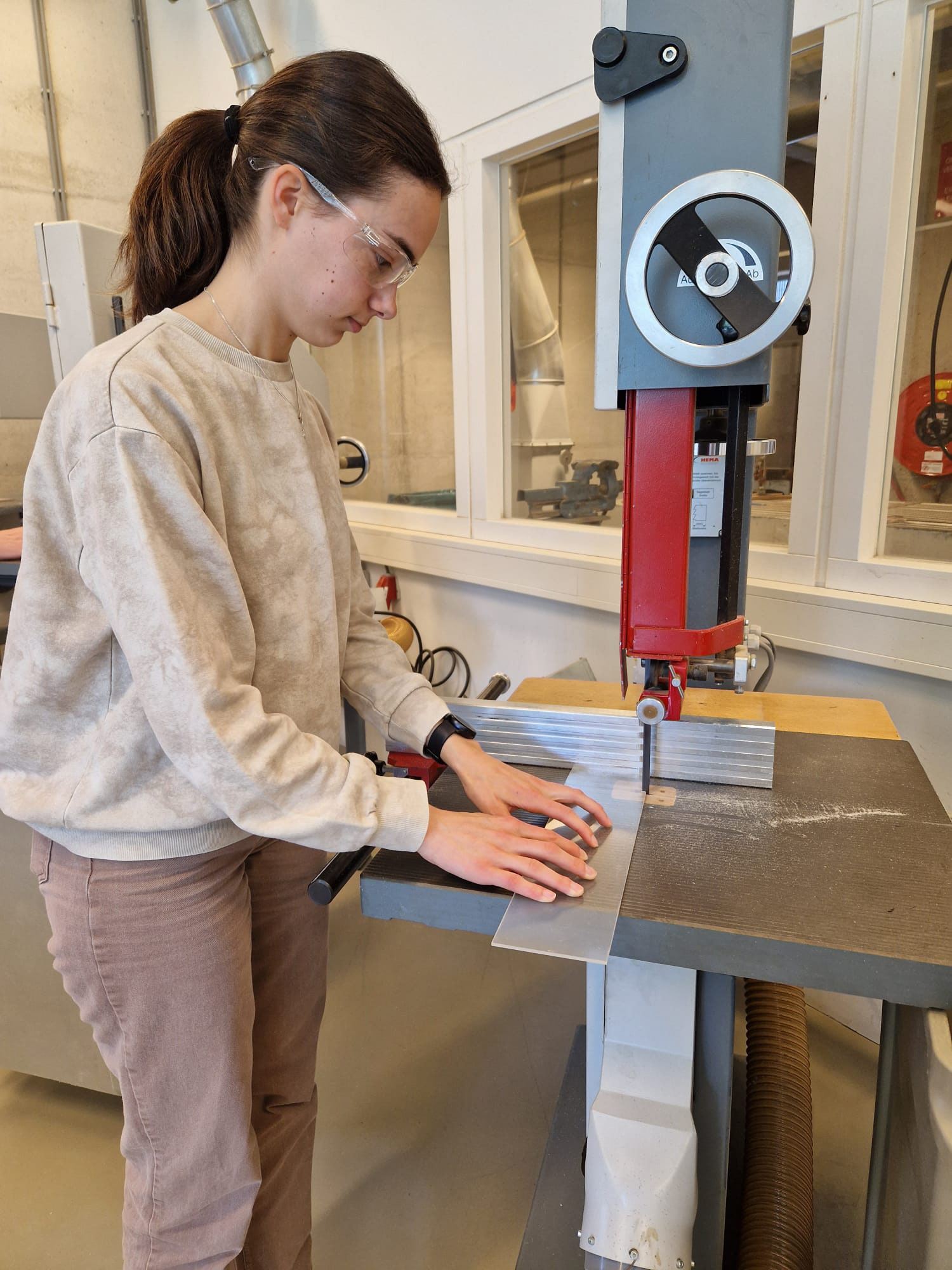
Working with plexiglass in the workshop during Project 1
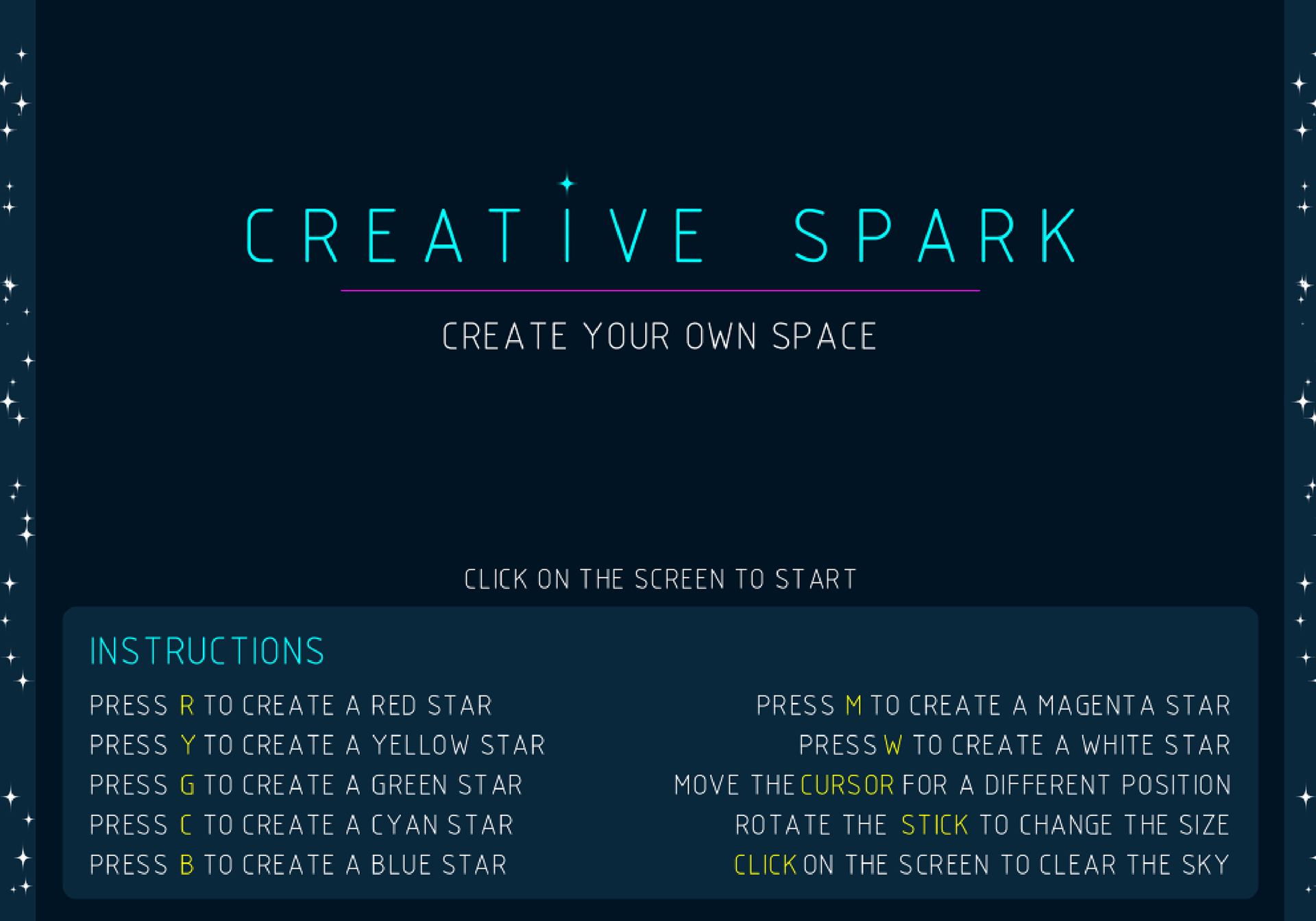
Creative Spark: drawing stars with mouse and potmeter to create space (Creative Programming)
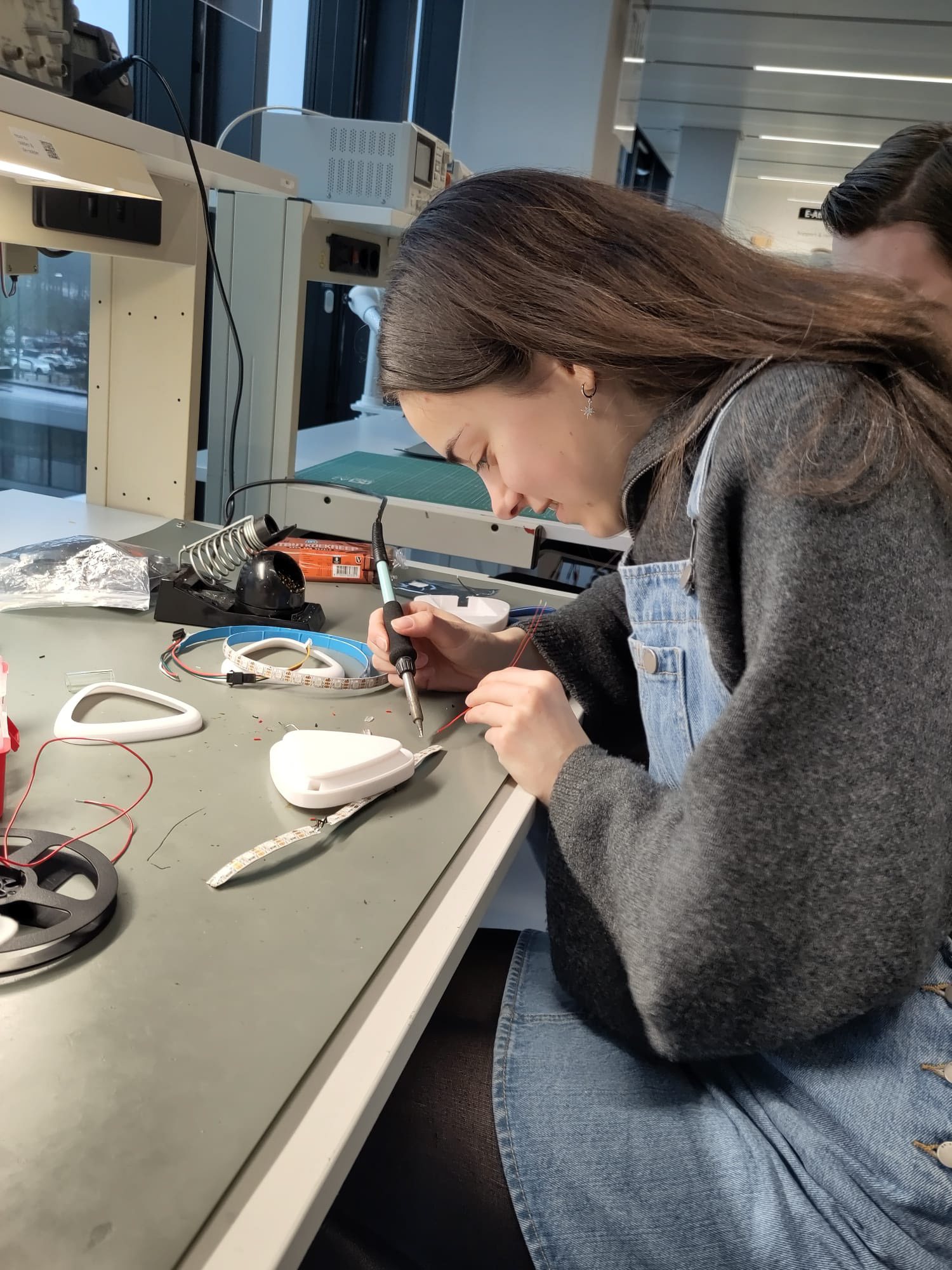
Learning to solder during Project 2
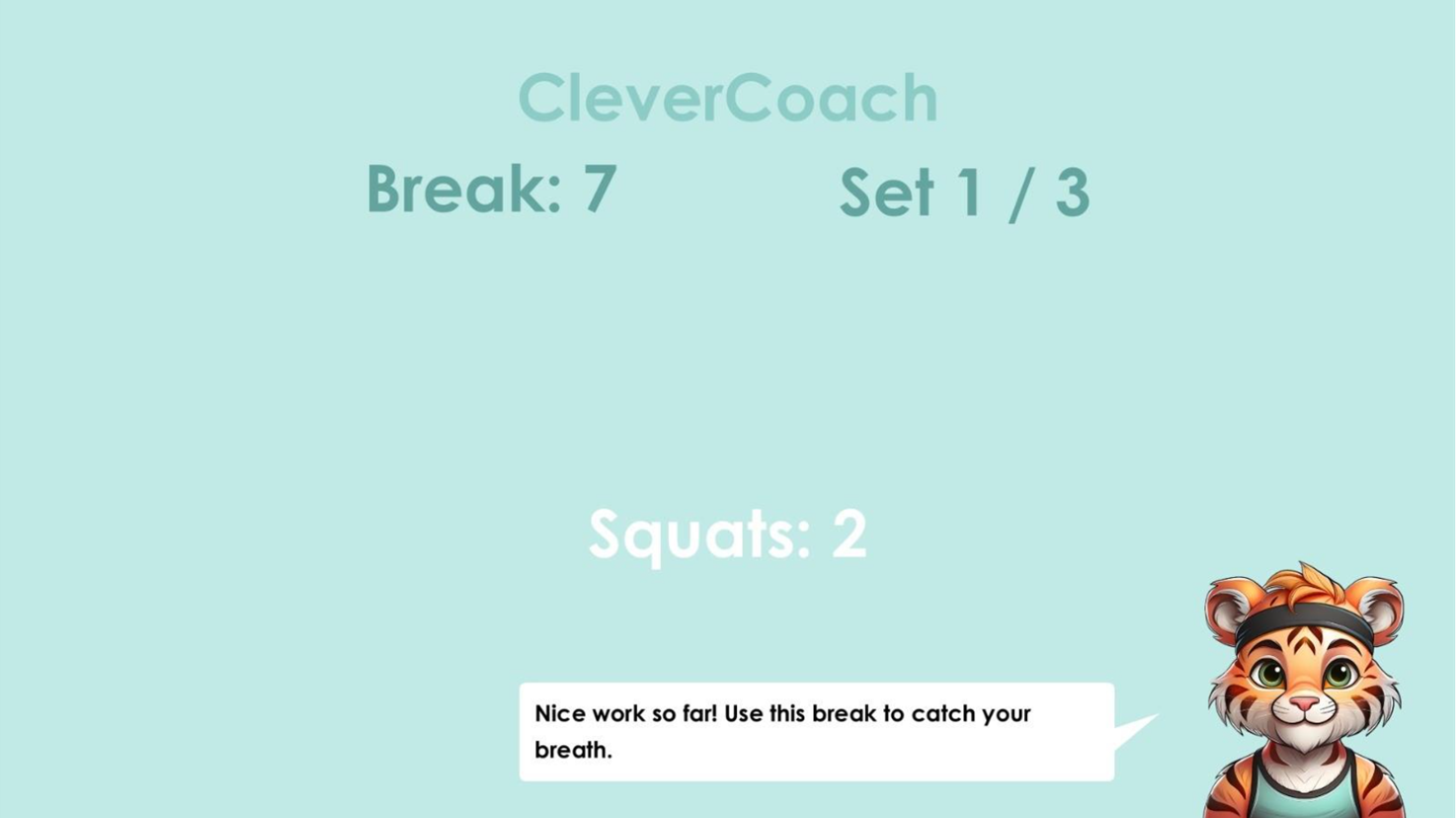
Interface designed for HIIT training with CleverCoach (Intelligent Ineractive Products)
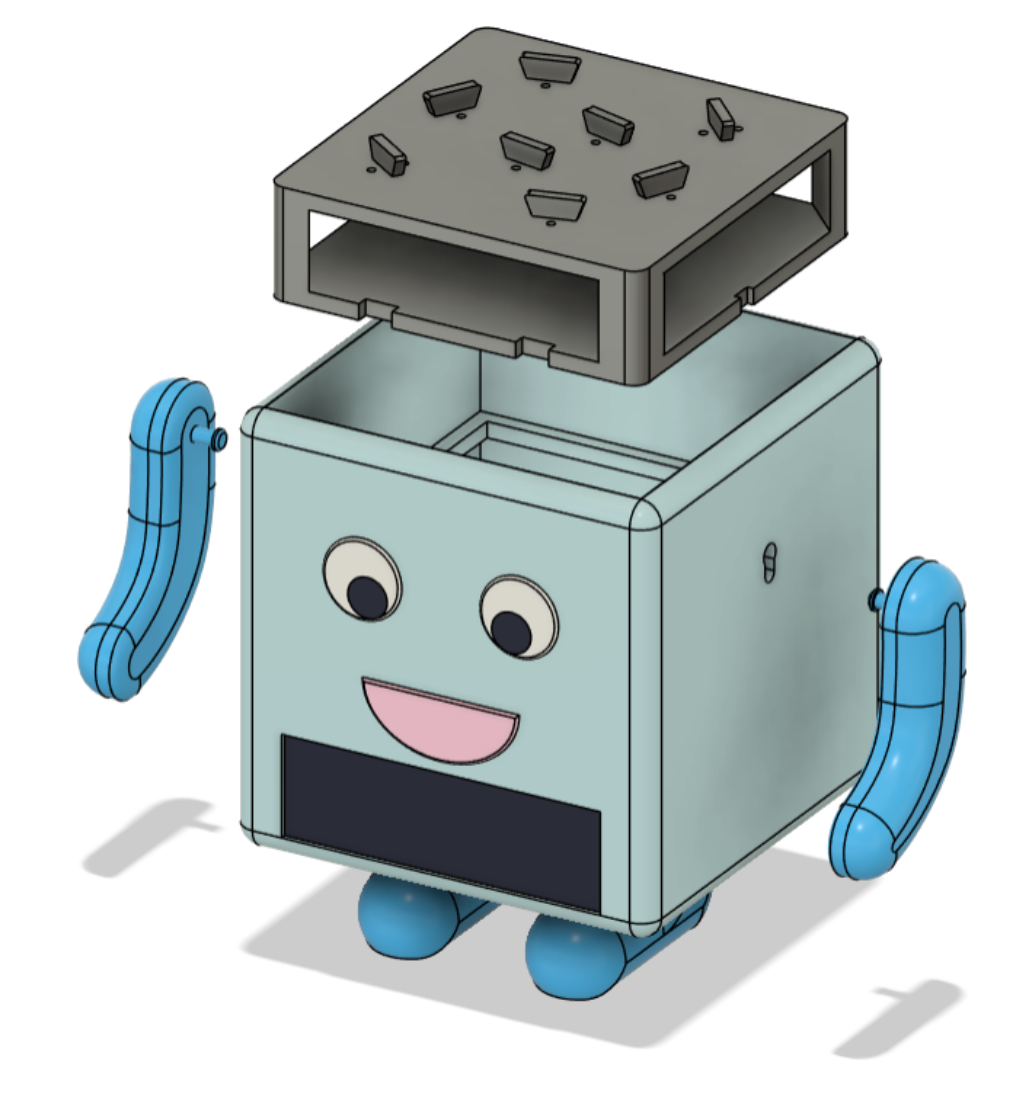
3D model for modularity of Uppet (FBP)
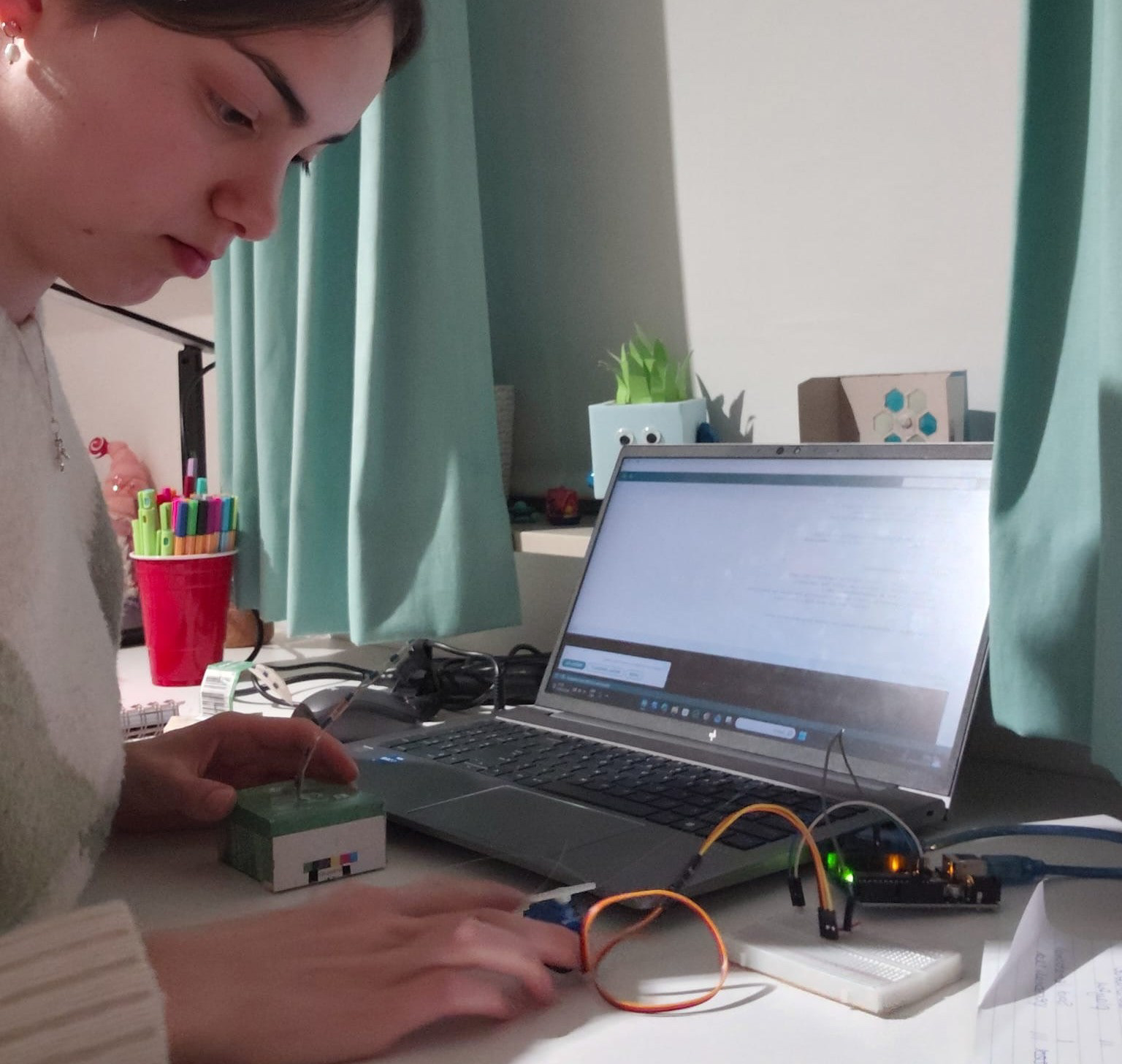
Testing cardboard leaf mechanisms with electronics (FBP)
Technology & Realization
Before starting my studies, I only had experience with lo-fi prototyping related to arts and crafts. Therefore, I had major development in this Expertise Area. Initially, I learned the basics of electronics and circuitry theory during ‘Creative Programming’, ‘Creative Electronics’, and ‘Applied Natural Sciences’. Since this remained a weakness of mine, it often blocked my ideation (C&A), therefore it was my goal in Project 2 to figure out which components to use to make the concept functional. This reduced the mental block, and I was able to realize the electronics for PosturePendant individually.
Additionally, I further developed hi-fi prototyping abilities. Starting with learning 3D modelling in SolidWorks for visualizing and communicating, creating animations, and printing products, like the foldable container in Project 1. Moreover, I learned to work with hi-fi materials like wood and to use tools in the workshop to refine prototypes and build constructions.
FBP
Since this Expertise Area was never my strength, in projects, others usually performed these tasks. Therefore, much development happened during my FBP, where I tackled T&R aspects individually while also seeking guidance. My FBP project had many elements that were realized with electronics and programming, which I was more comfortable with due to the positive experiences with Project 2 and PosturePendant. Additionally, creating many cardboard prototypes helped explore mechanisms for the leaves, while material exploration informed the mechanism realization as well as the aesthetic qualities (C&A). Moreover, a 3D model was created to print the body of Uppet for a clean look, informed by the aesthetics moodboard (C&A), and a modular approach (U&S).
____________________
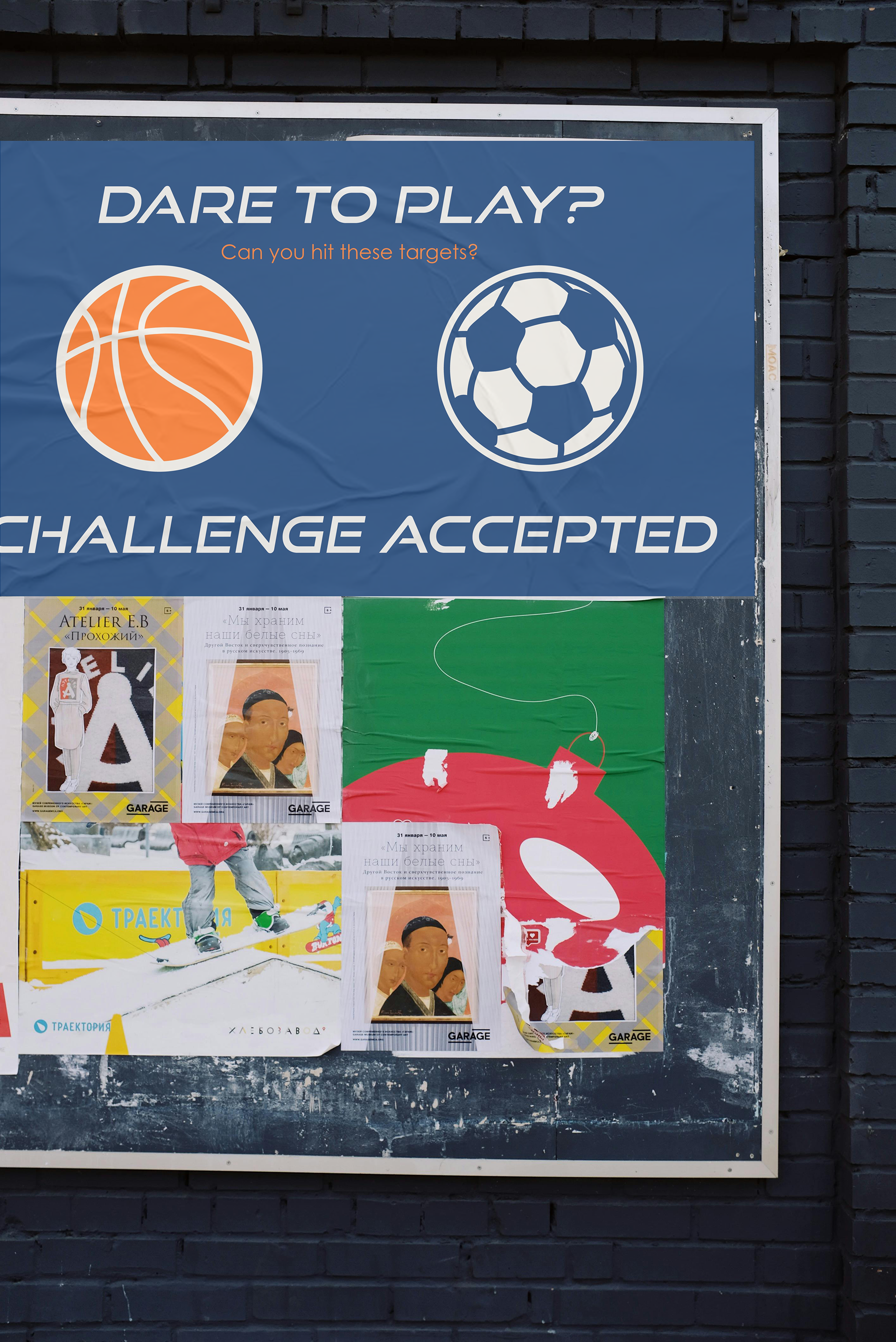
Guerilla marketing poster to challenge passersby for 'Validation to sales' (3rd course in USE IoT)
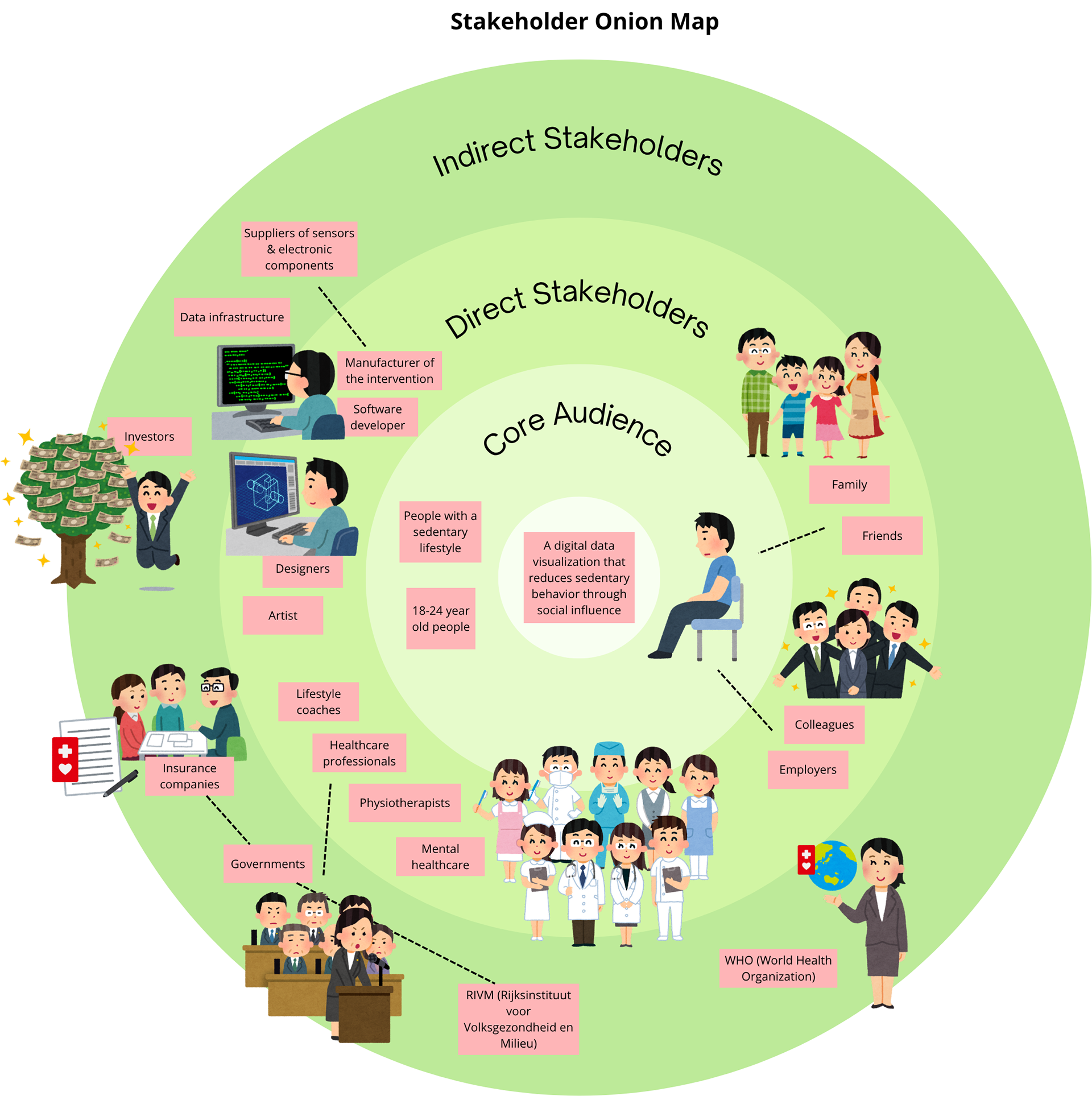
Stakeholder Onion Map for FBP
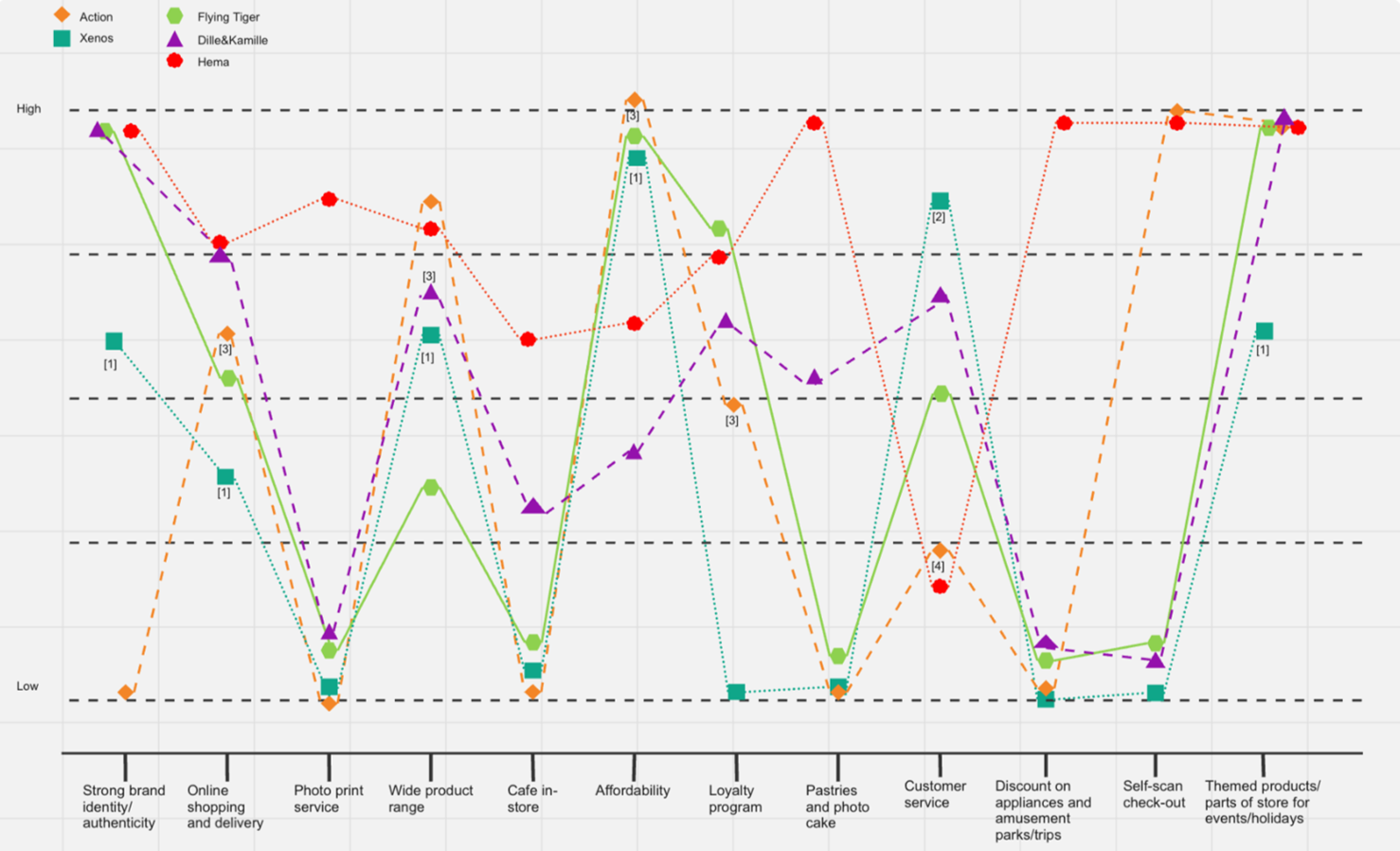
Strategy Canvas for competitors of Hema for 'Design Innovation Methods'
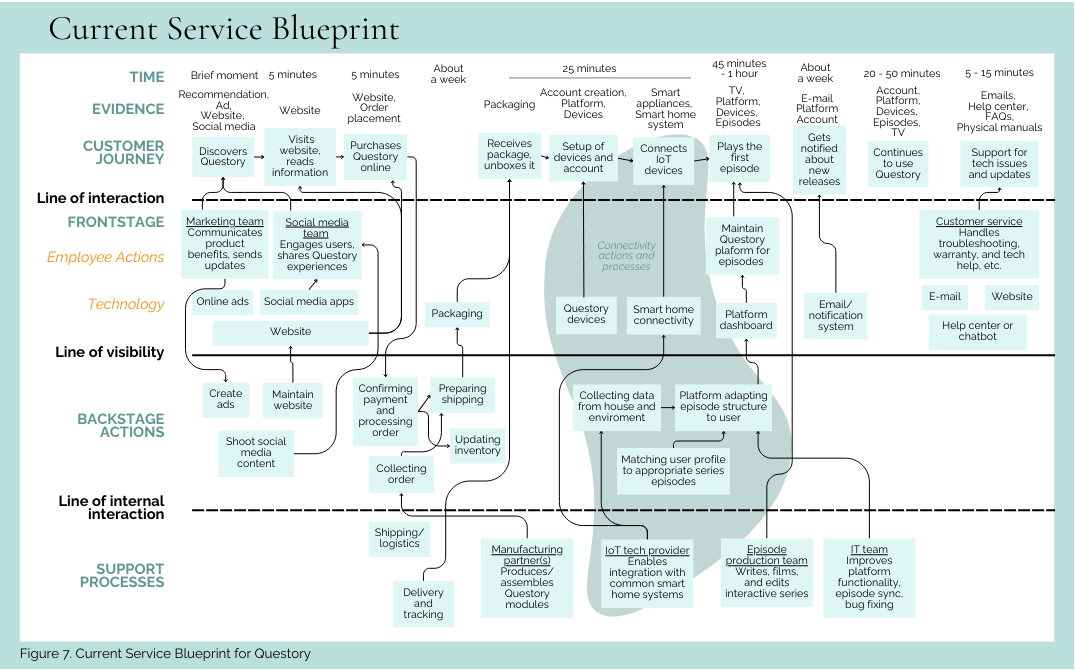
Analysis of Questory with a current service blueprint for 'Design Innovation Methods'
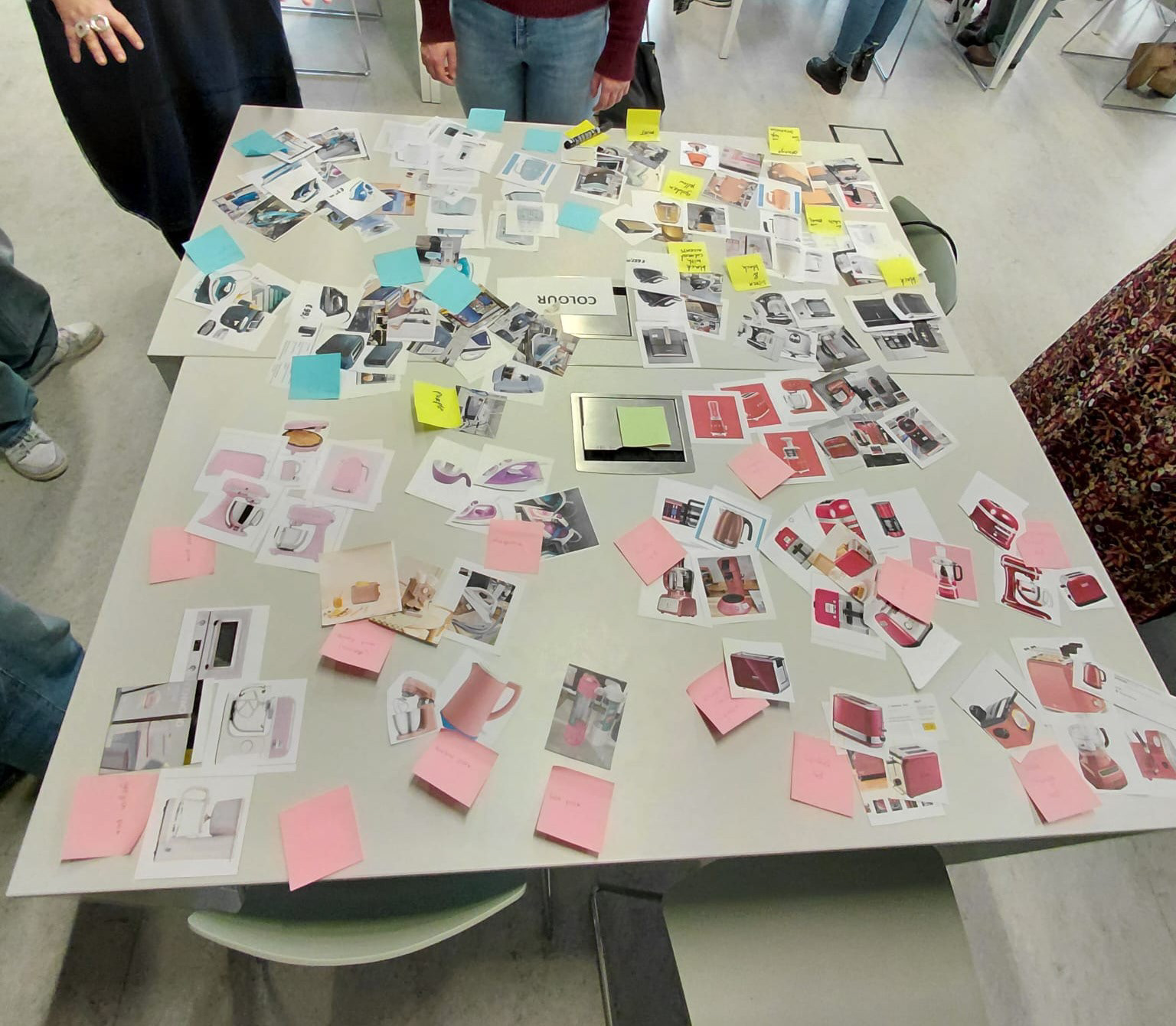
Clustering based on colour during 'Introduction to Futures Thinking'
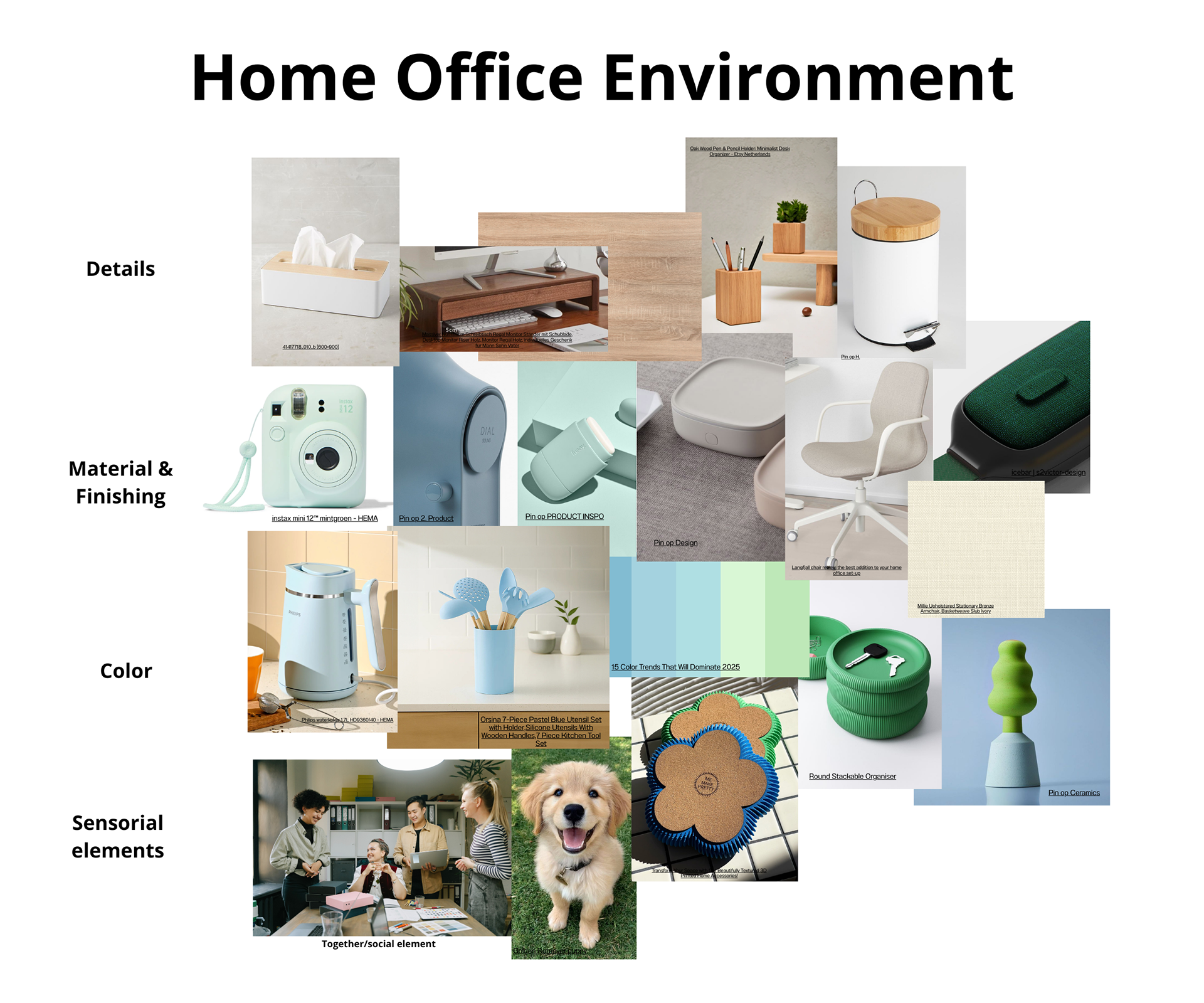
Aesthetics moodboard for Uppet (FBP) based on clustering
Business & Entrepreneurship
The development within Business & Entrepreneurship started slowly by relying on the knowledge of others, like incorporating the business model canvas, value proposition, and problem-solution fit in Project 1 and 2. A true understanding of these business methods for innovation came during ‘Design innovation methods’. Additional tools, such as PESTLE analysis, stakeholder onion map, and a cost-benefit analysis, were not only used for innovation of products or services, but also for future-proofing businesses through these innovations.
Another aspect of this Expertise Area is focusing on sales aspects and determining the success of a product. In ‘Validation to sales’, some marketing strategies were introduced, of which guerrilla marketing interested me as it connects business to C&A and U&S by playing with creative visual elements that easily grab the attention of passersby and evoke a reaction towards a product or brand. Additionally, Van Westendorp's study was useful to determine a price range and validate the financial viability of the service, and a survey was used to determine product adoption.
Furthermore, another perspective on B&E was offered during ‘Introduction to Futures Thinking’, which also combined visual elements (C&A) to uncover the situation in current markets and, based on that, choose a strategy for the future of a company. Tools learned include visual mapping and clustering as a way to benchmark the market and create a brand DNA. It also highlighted the importance of knowing other designers’ styles to communicate effectively within a design team.
FBP
In my FBP, I used a PESTLE analysis and stakeholder onion map to investigate the current situation, relevant information, and relationships, which helped steer the project towards success, such as the trends in personalized health tech. Similar to ‘Validation of sales’, in my FBP I also validated product adoption using questionnaires, and I suggested reaching the target group through the employer to save them costs, although this could not be validated. Additionally, methods like clustering and brand DNA moodboards were used to inform design decisions so they would align with Uppet as a brand, showing the B&E connection to C&A.
____________________
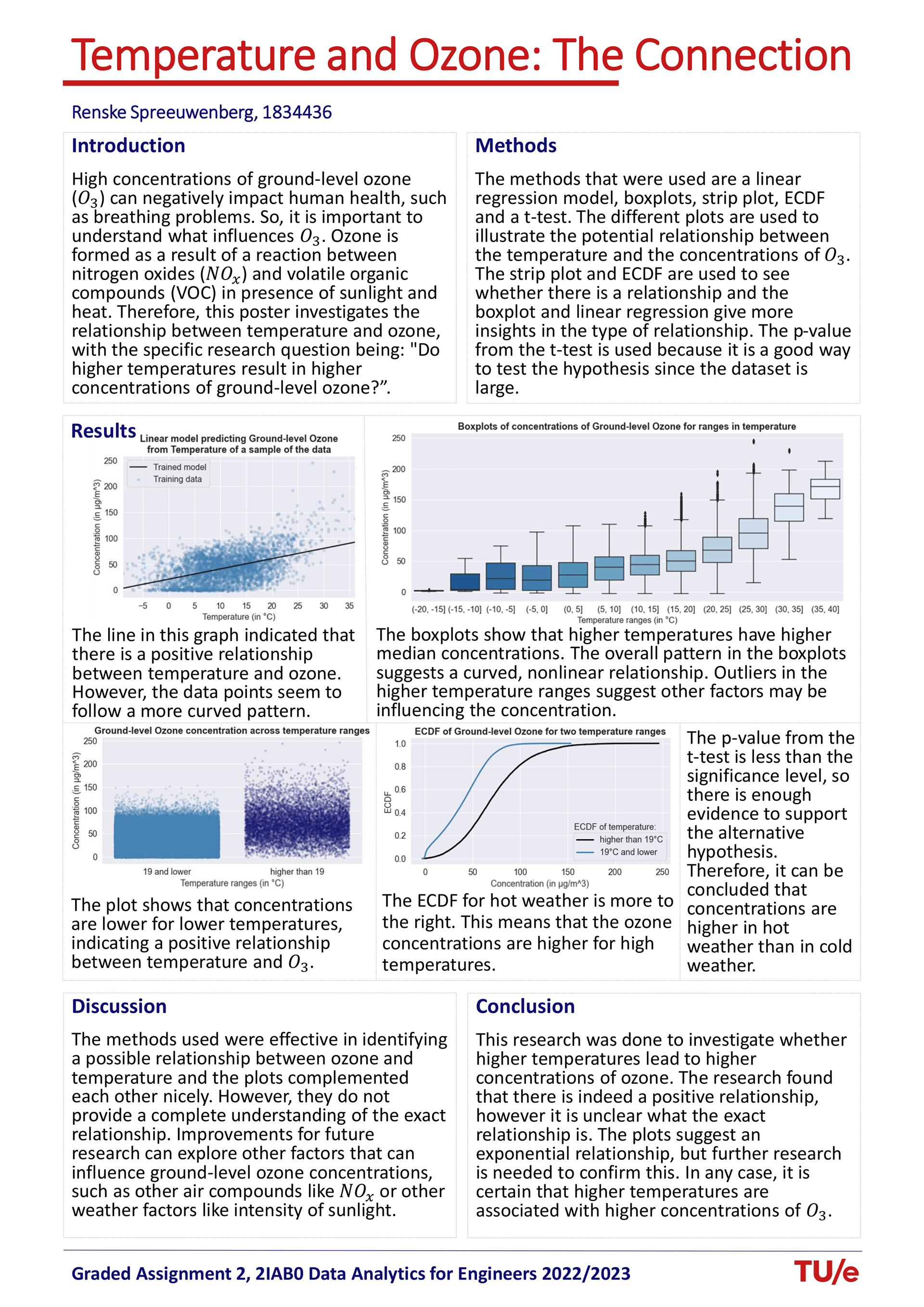
Presenting conclusions from researching with datasets using various analytical methods for 'Data Analytics for Engineers'
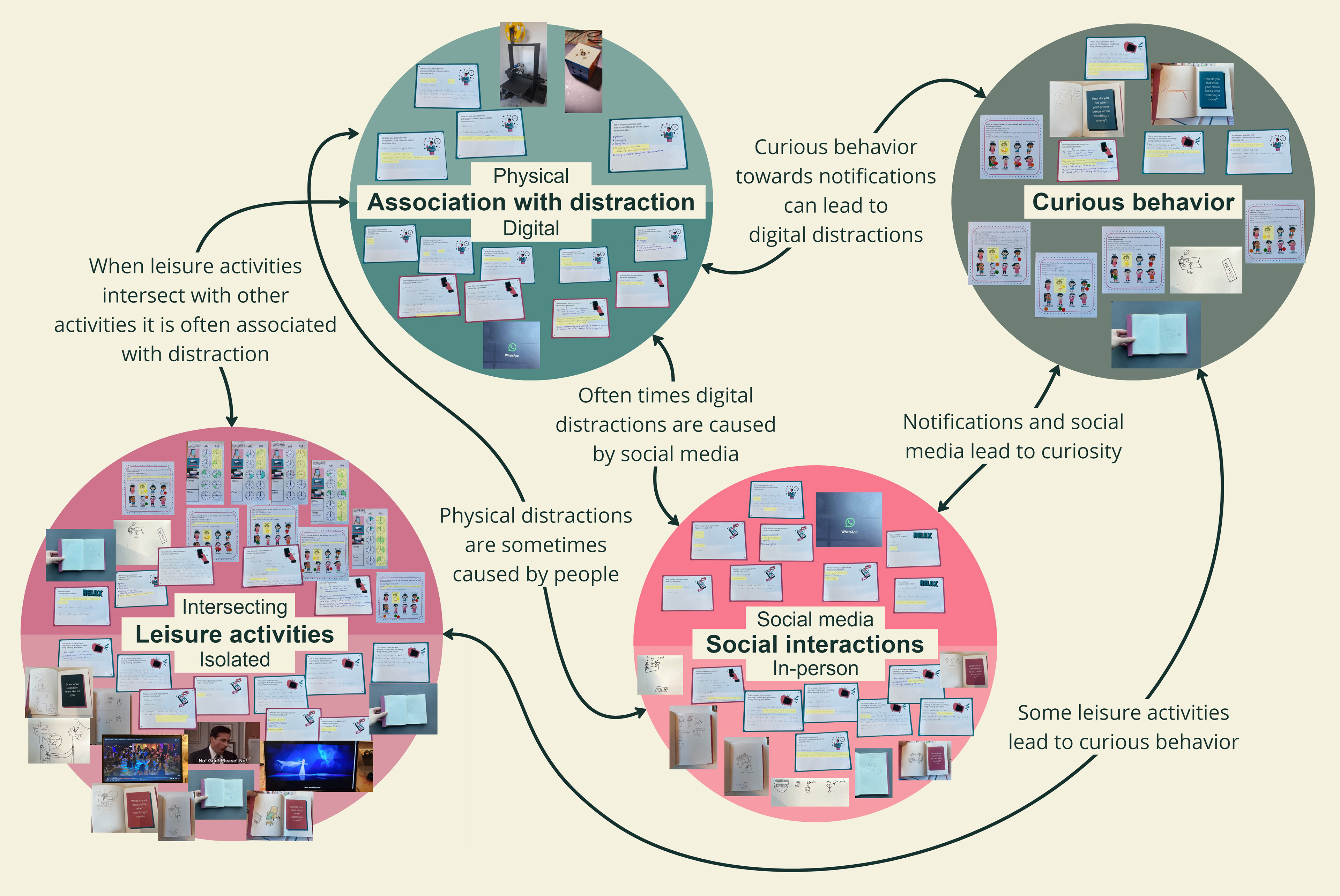
Thematic analysis of research probes for 'Design <> Research'
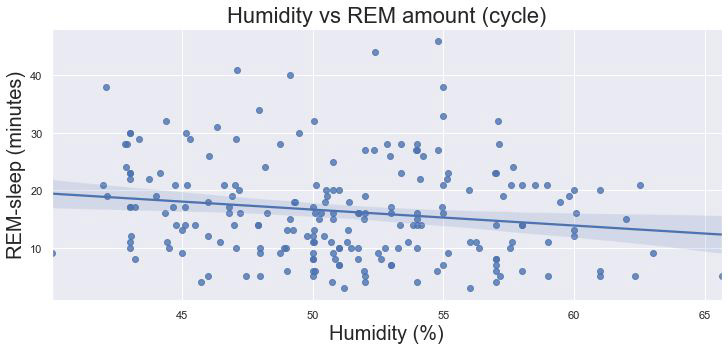
Linear regression model used in 'Making sense of sensors'
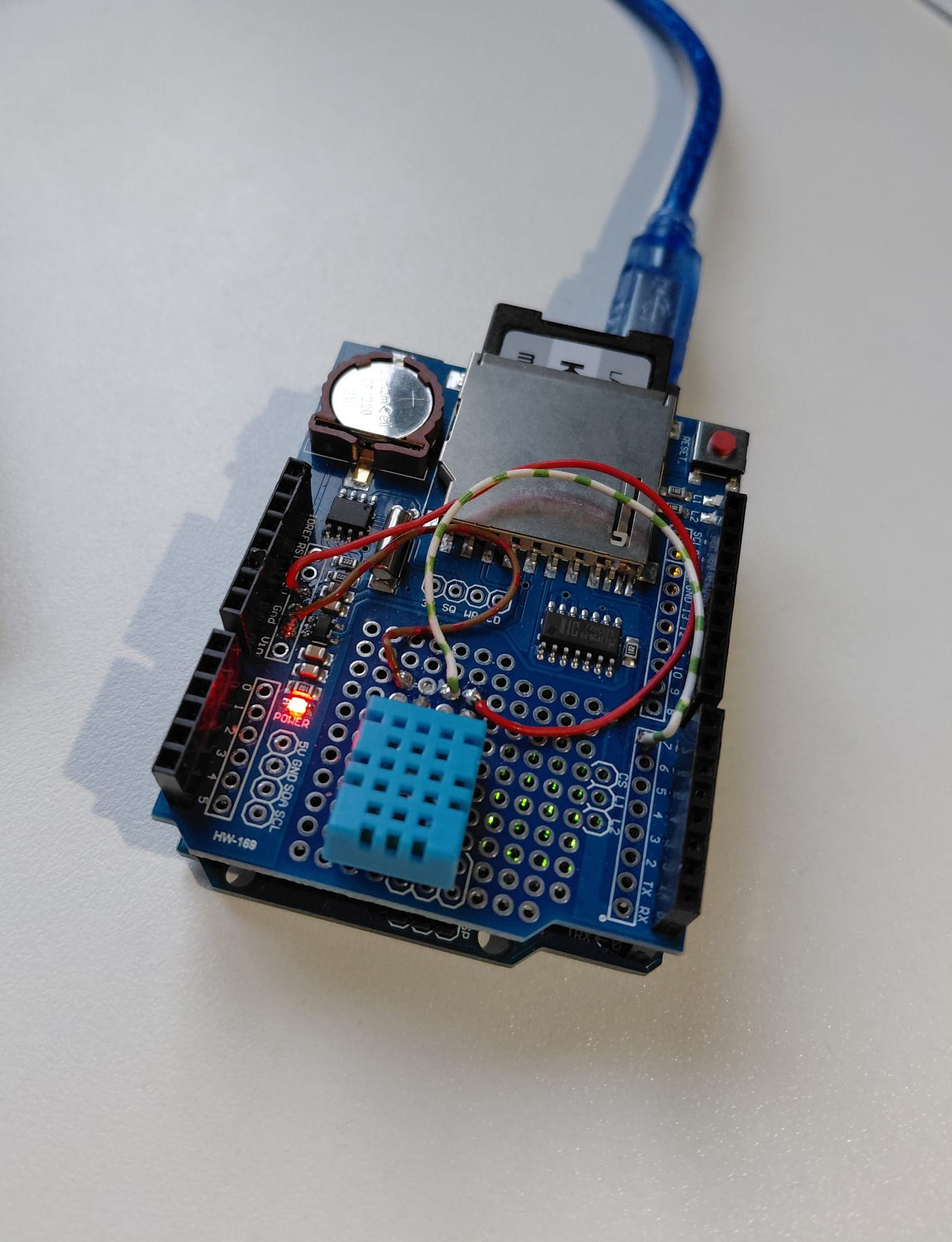
Using electronics to gather data in 'Making sense of sensors'
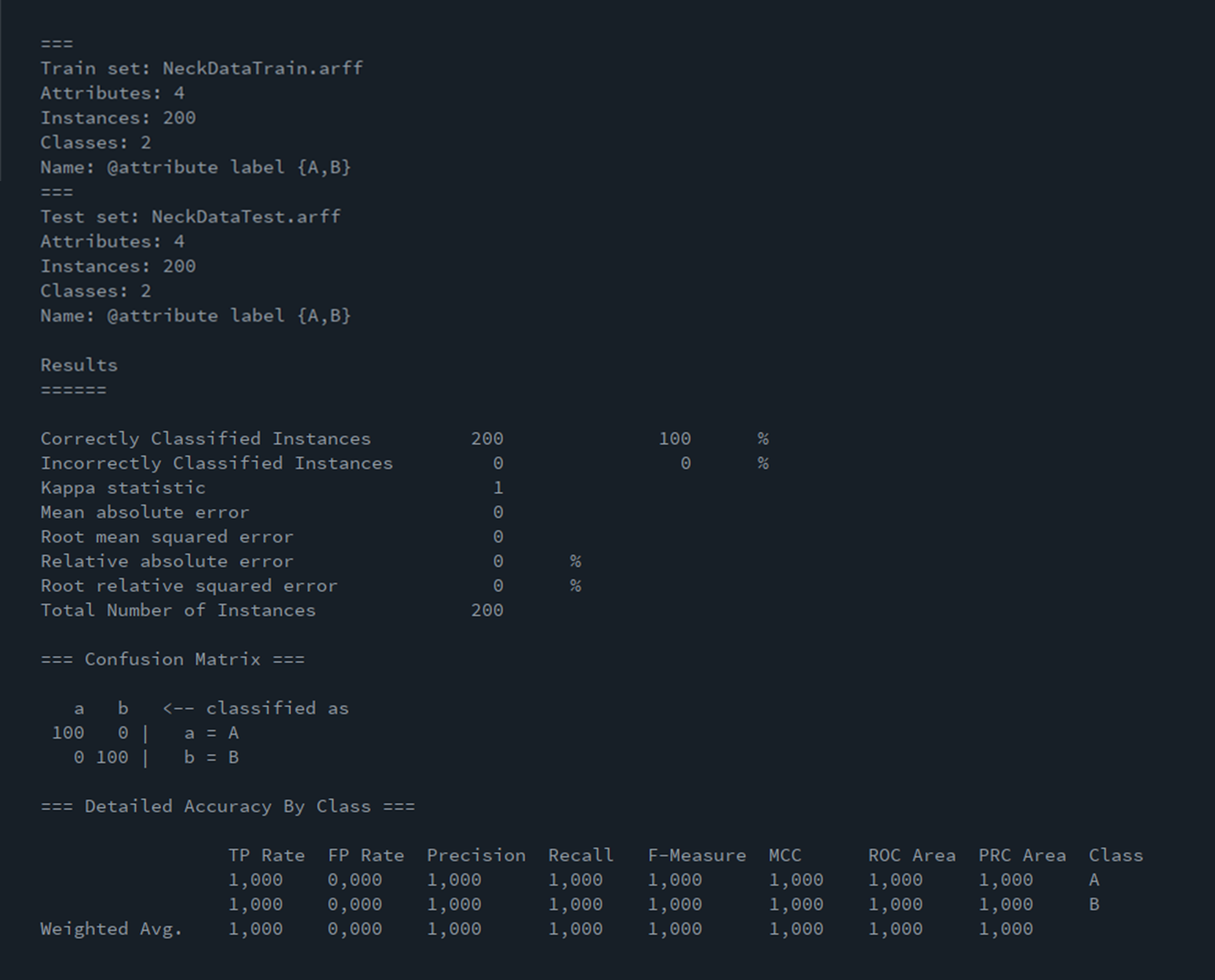
Statistics to evaluate the accuracy of the trained model for PosturePendant (Intelligent Interactive Products)
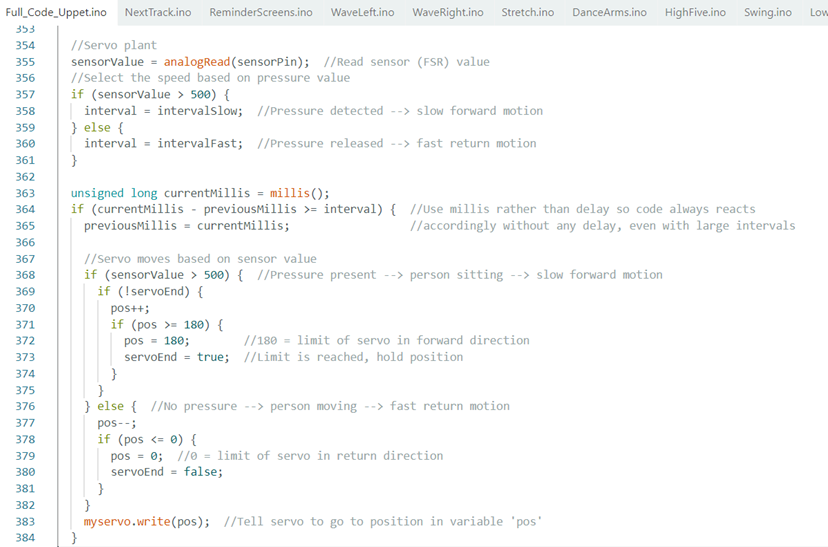
Threshold to determine sitting behaviour for Uppet (FBP)
Math, Data & Computing
Through courses like ‘Data analytics’ and ‘Making sense of sensors’, I was introduced to working with datasets, analyzing data in Python notebooks, and gathering data with sensors (T&R). This was also briefly addressed during Project 2, which focused on the smart home, making data sharing an important component in the squad’s projects. Although data processing remains challenging, my strengths are connecting and drawing conclusions from visualized data in graphs and charts.
The course ‘Intelligent Interactive Products’ led to an important realization. The application of machine learning in PosturePendant showed me its value in personalizing insights and feedback for a user to help them change behaviour (U&S). In this, I also learned the importance of gathering data, using it to train a model, and evaluating with a confusion matrix or kappa statistic for accurate predictions and output.
Methods learned in ‘User-centred design’ and ‘Design <> Research’, such as affinity diagrams and thematic analysis, taught me how to handle large amounts of qualitative data to draw conclusions, which connects M,D&C to U&S.
FBP
In my FBP, data gathered through a sensor in the chair (T&R) was used to visualize sedentary behaviour, which was based on a simple threshold. Therefore, improvements for Uppet are mainly related to M,D&C, such as incorporating AI to personalize reminders and make judgments on which tone to use. Through Uppet, I worked on my goal to use data as a way to connect with the user, e.g., through evoking an emotional reaction or impactful narrative data visualizations. Additionally, I worked with qualitative data from interviews and questionnaires and analyzed these to gain insights into the adoption of Uppet (B&E), its effect on people (U&S), and how to further improve the design (C&A).
____________________
Design Research Processes
Doing research on many levels is important to validate a concept and design decisions, but also initially to identify gaps and opportunities in a certain field. This shapes the design or research direction from the beginning to ensure a meaningful contribution to the field. This is mainly done through desk research, which for me also functions as a way to get inspired.
Additionally, field research is important to support assumptions and decisions specific to the project that can therefore not be validated with existing research. In many previous projects, this was mainly done through user testing, questionnaires, or interviews. However, during my FBP, I also sought additional information and feedback from an expert (i.e. lifestyle coach) to get insights that desk research or users could not get me.
____________________
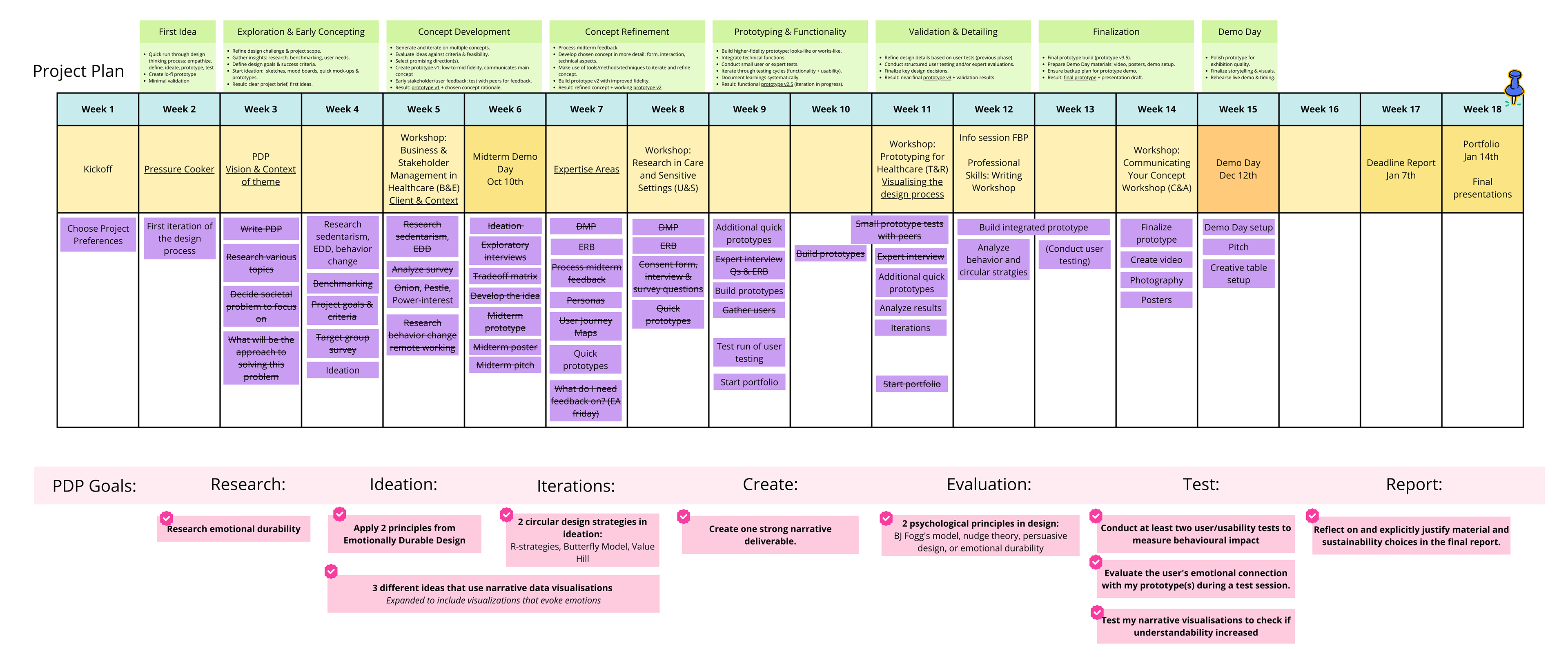
Planning for the FBP, with global planning at the top, specific activities in purple, and alignment with PDP goals at the bottom
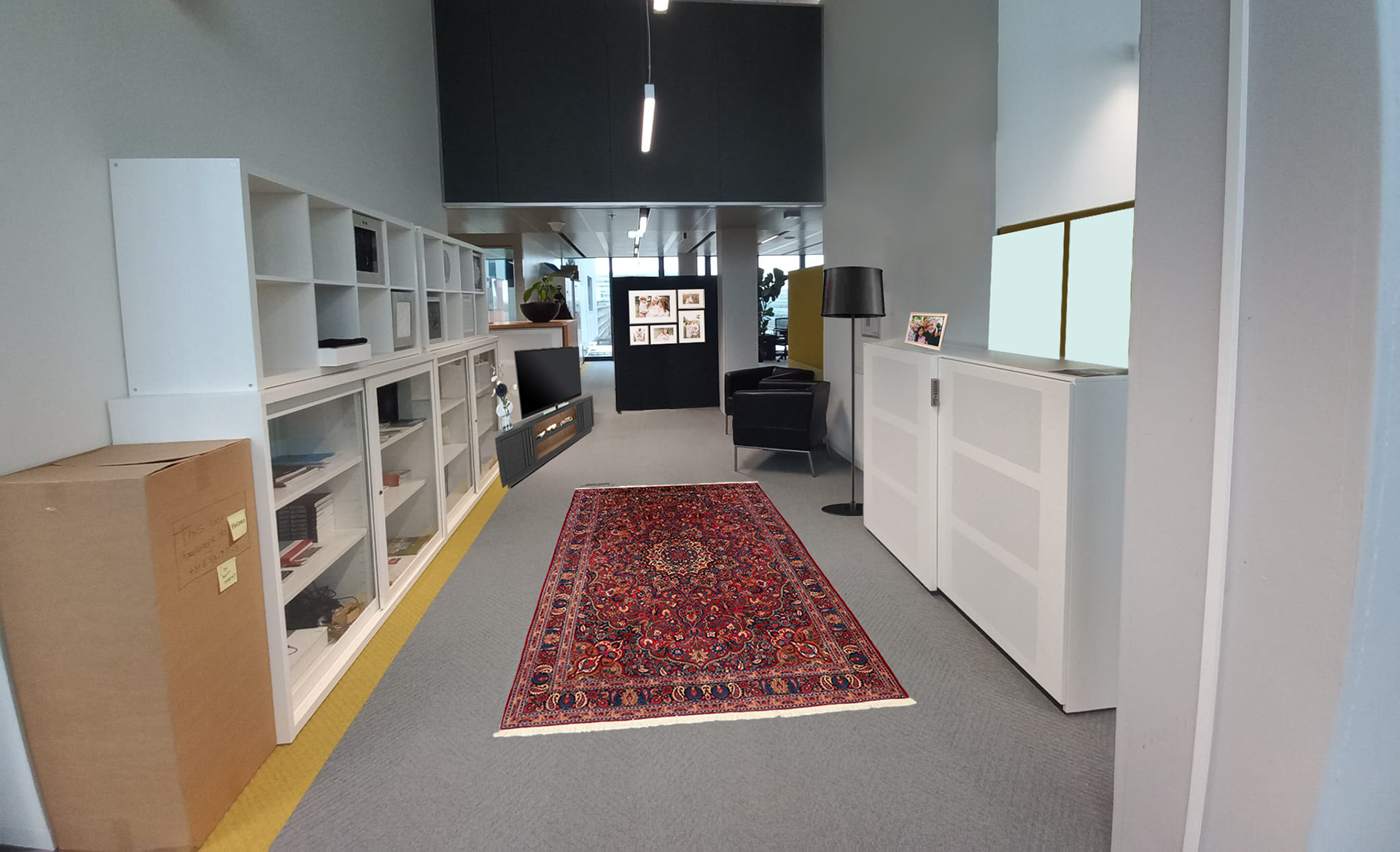
Mockup for Demo Day setup for Questory, creating a home-like space
Professional Skills
My professional skills as a designer developed greatly during my bachelor. I learned that discussing personal goals in a team is important for better teamwork and alignment of team goals. This was especially useful in earlier projects like ‘From idea to design’ and ‘Project 2’, where goals, strengths, and weaknesses were incorporated in a team canvas.
Moreover, I realized my adaptability to take on different team roles if necessary. This was exemplified by my leadership in the multidisciplinary ‘USE IoT’ team, which is usually not my preferred role. In this, I noticed my strengths as a leader in overseeing the project, making sure deadlines are met, and taking into account the strengths of each team member.
Additionally, during my FBP, I was able to plan and organize the project with a global timeline and redirect with more specific activities each week to make sure everything gets done without compromising the end result due to time constraints. Next to that, this way of planning allowed me to align my PDP goals to the project, making sure these would be achieved. This was often much more difficult in group projects where the direction of the project and tasks depended on others.
My abilities to communicate and present ideas to others improved not only through pitching but also in visual elements. In Project 2 and my FBP, I designed the Demo Day setup to include the context of the concept, enhancing the ability of the viewer to understand what is presented.
____________________
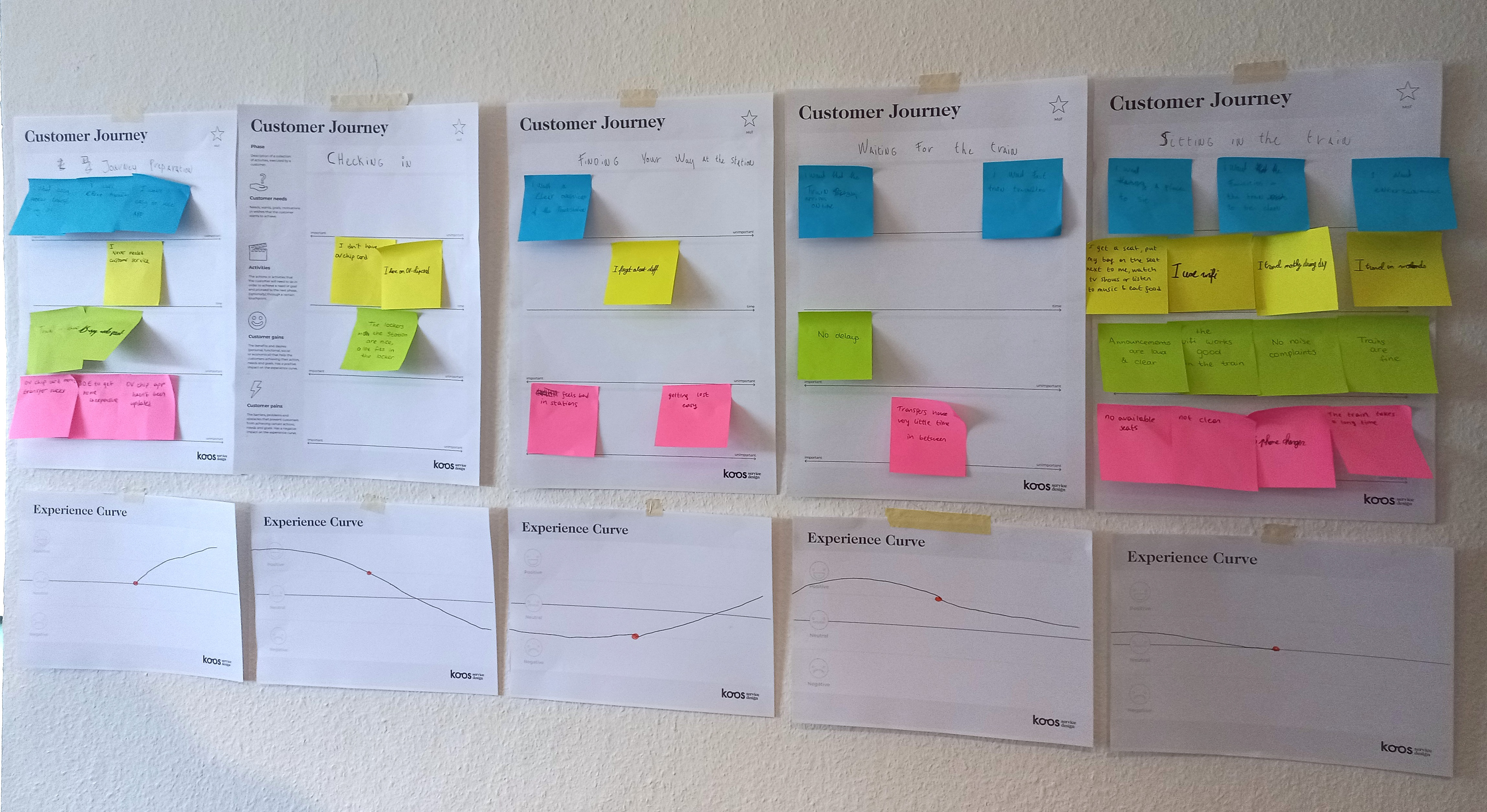
Mapping the Customer Journey at Koos Service Design
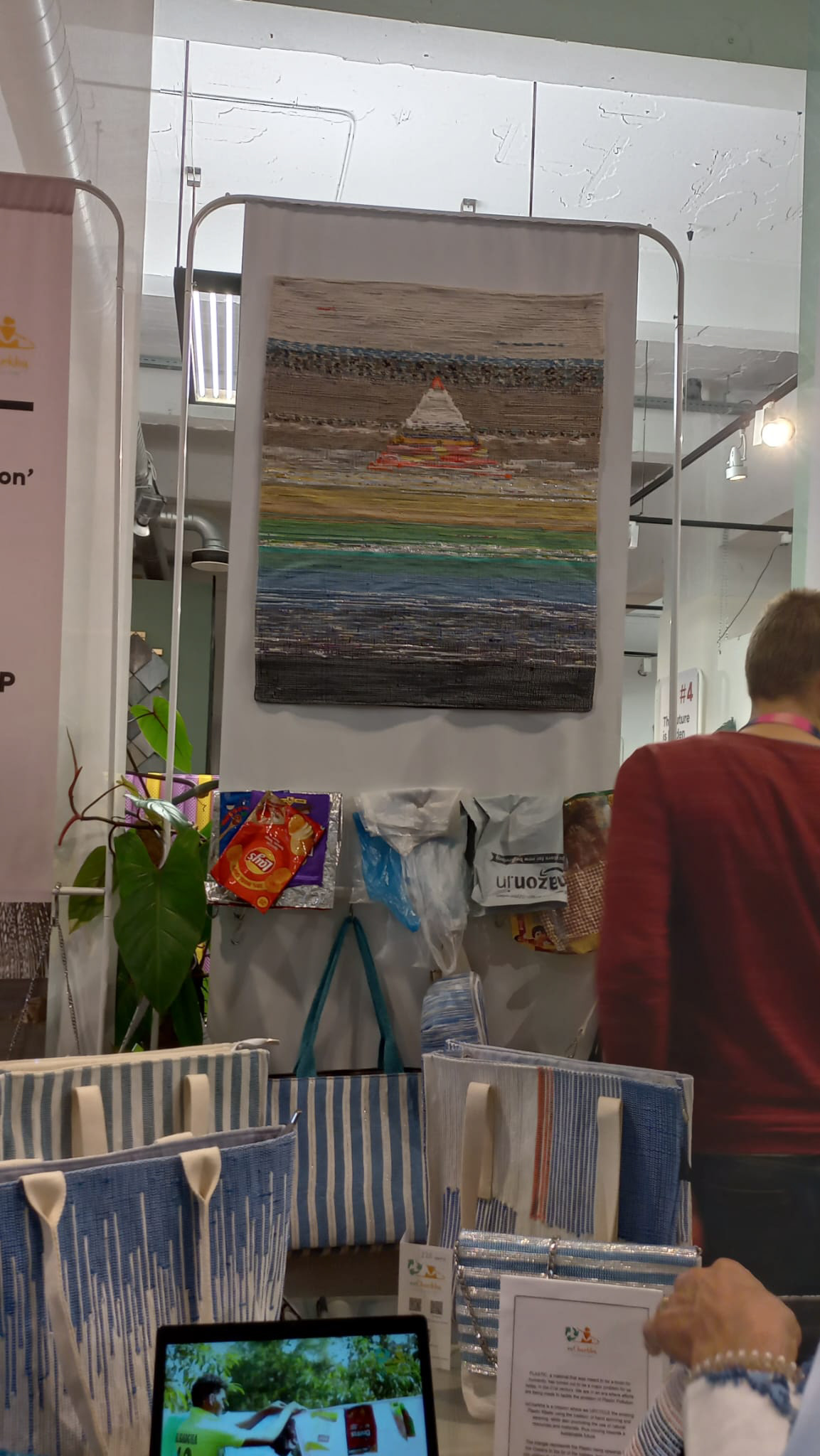
Dutch Design Week - reusing waste such as chips bags and plastic bags
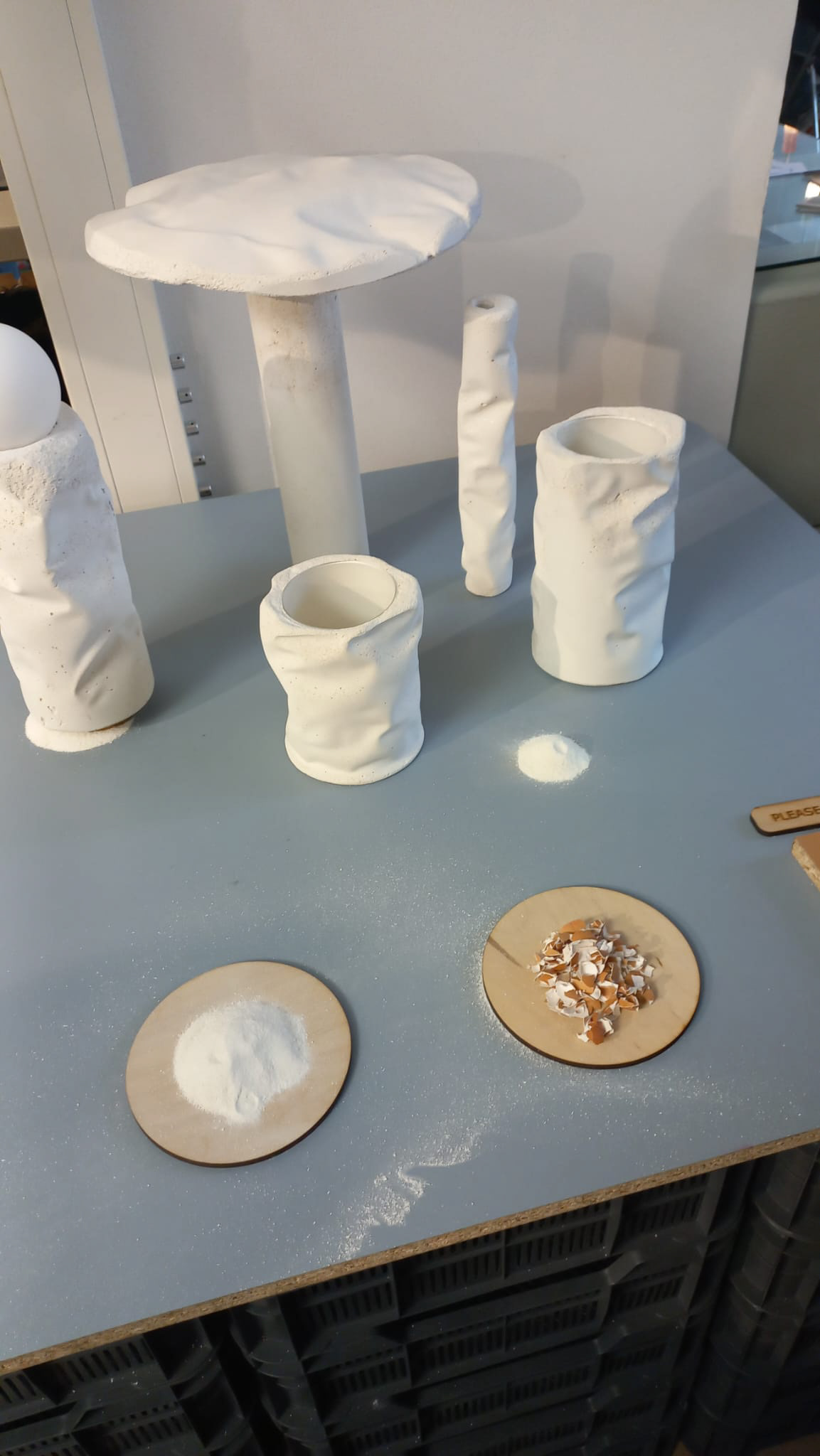
Dutch Design Week - reusing egg shells
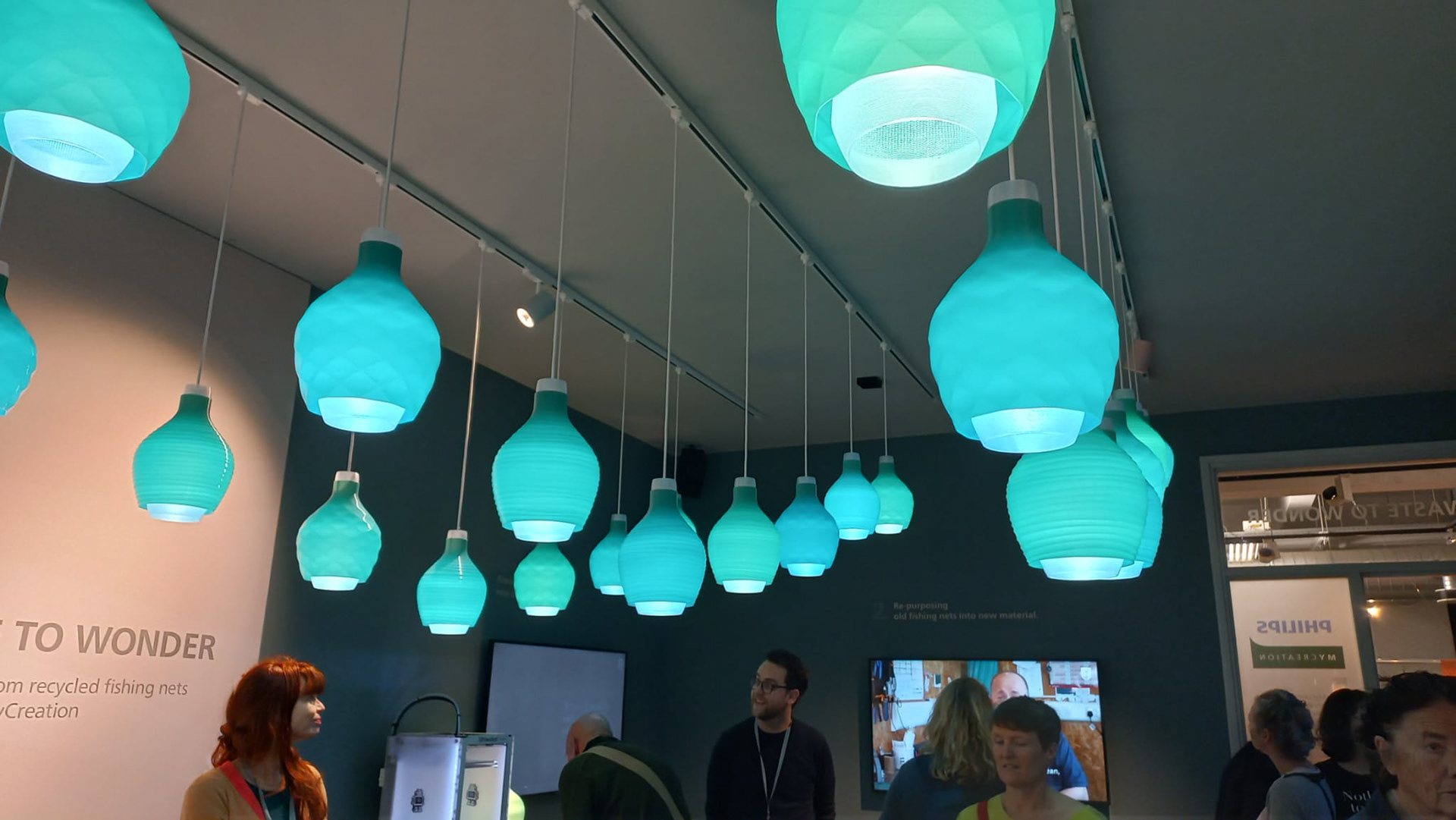
Dutch Design Week - Philips lamp shaded from old fishing nets
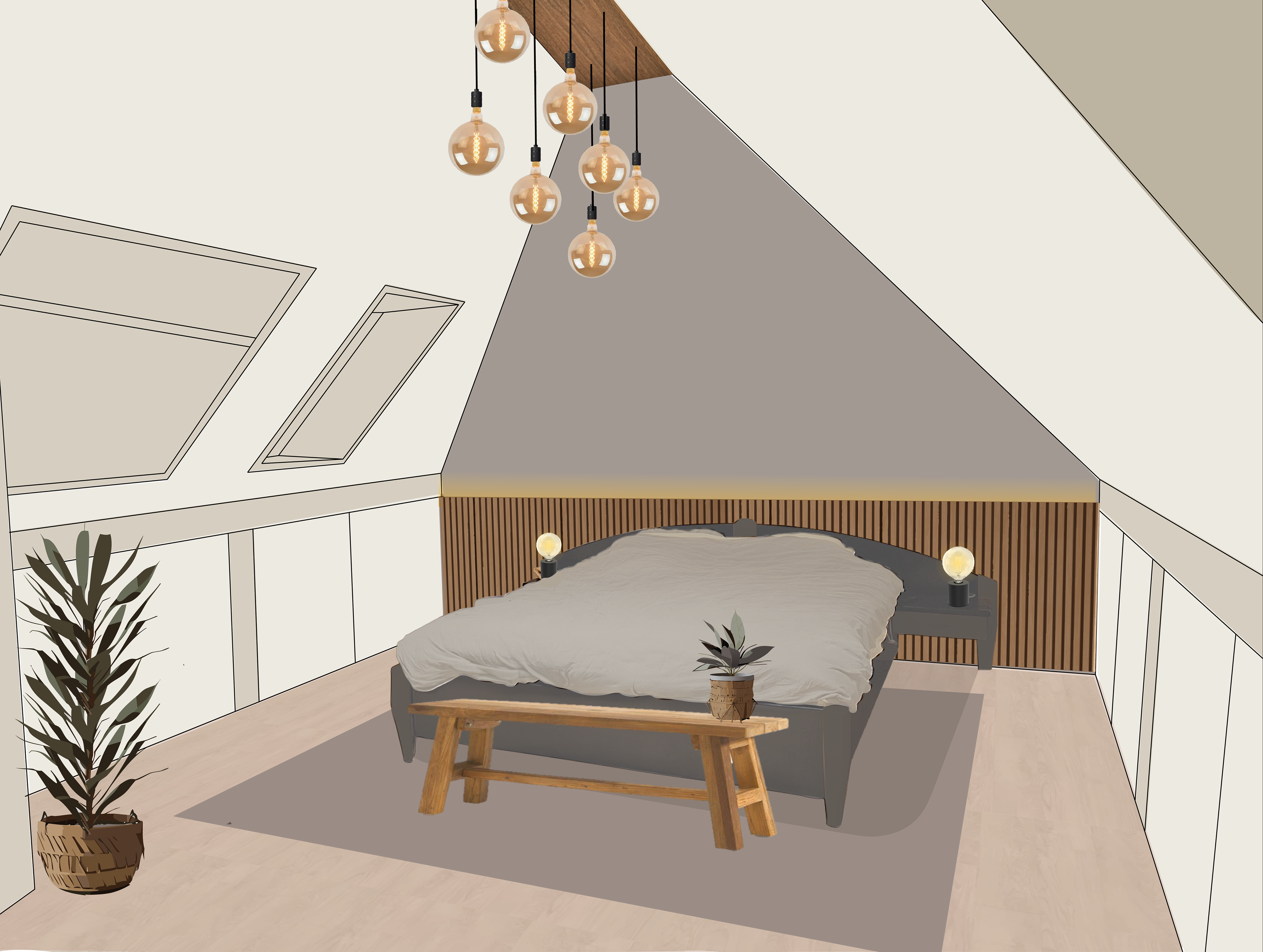
Design for the interior of a bedroom
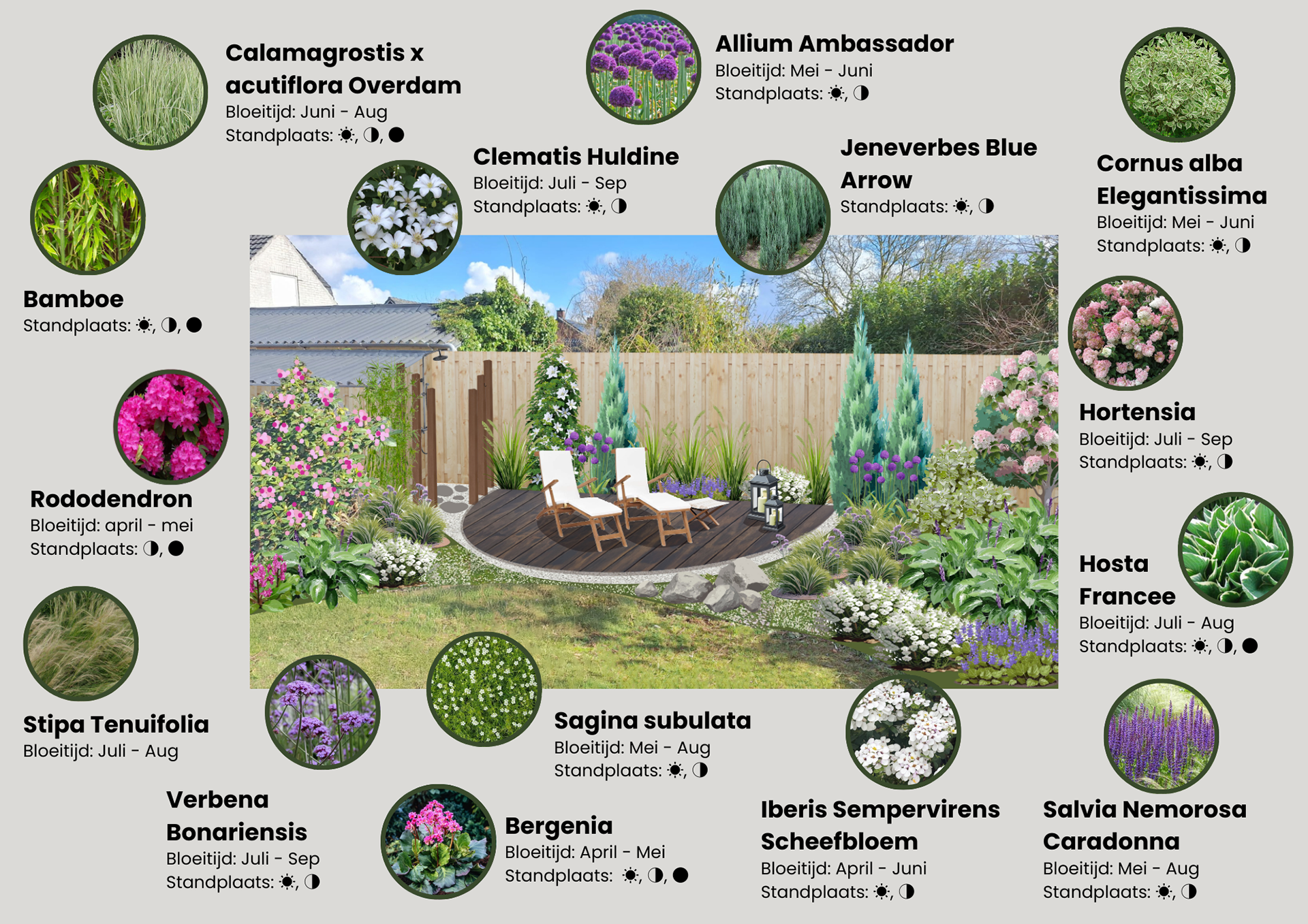
Design for a garden
External Learning Activities
Learning the User Journey Map during a Koos Service Design workshop was immensely valuable as this tool was used later on in many projects, not only to empathize with users (U&S), but also to generate ideas to improve the user experience (C&A).
When visiting Dutch Design Week in 2022, I was inspired by many projects using waste to create new materials and products. The quote, "Our sustainable future only comes true when we design it" at a Philips exhibition of lamp shades made from old fishing nets inspired my vision on sustainability in my early years.
Working on two spatial design projects for a bedroom interior and garden design gave me experience in working with a client and combining their wishes with my intuition and knowledge as a designer to create a design that the client could realize.